
Beacon Biosignals buys Snap Diagnostics to scale EEG sleep tests

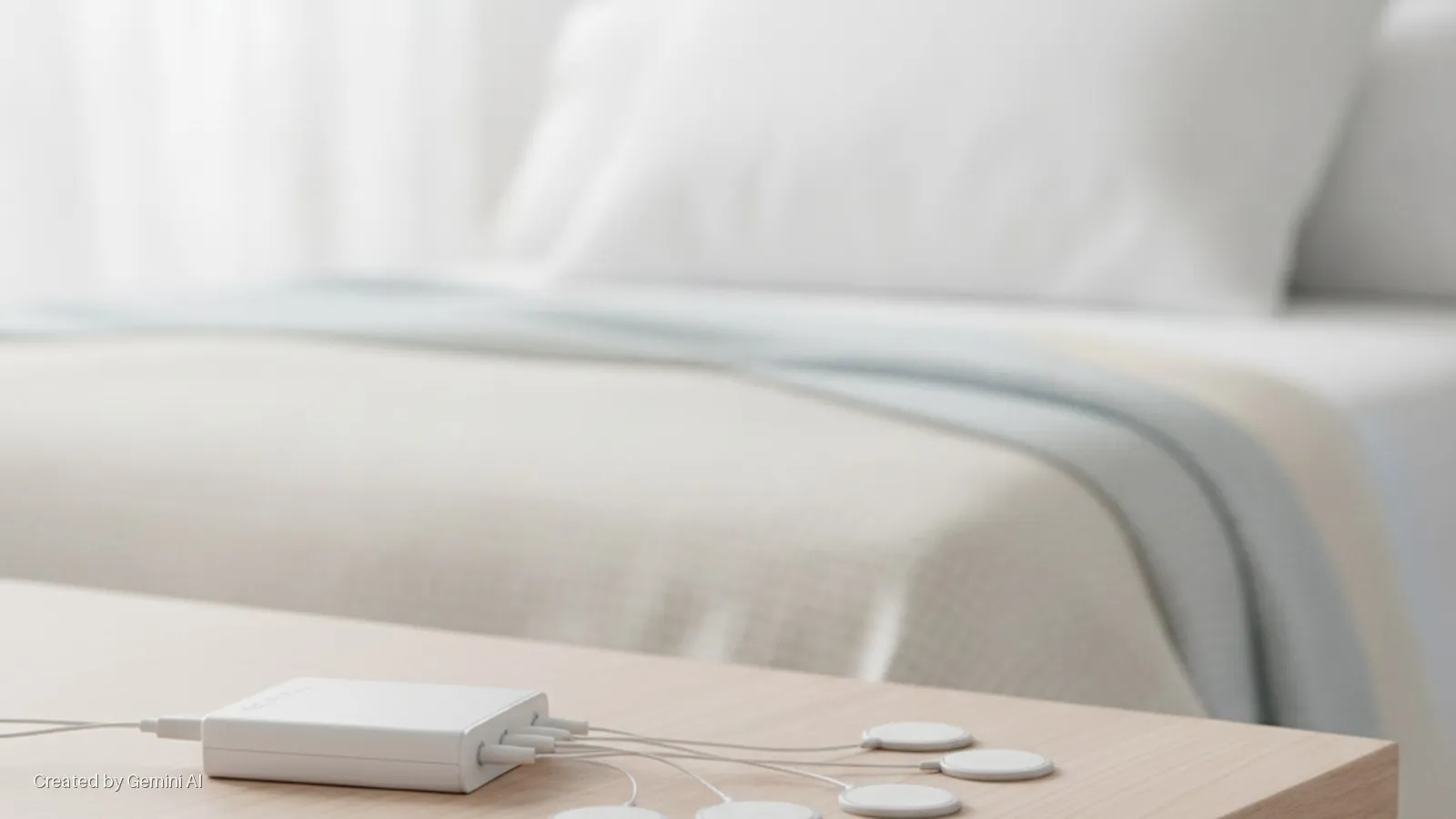
Beacon Biosignals has acquired Snap Diagnostics, a home sleep testing provider operating across all 50 US states, in a move the Boston-based neurotechnology company says will more than double its patient reach and establish it as one of the largest home sleep testing providers in the country.
The deal gives Beacon a national clinical channel through which it intends to deploy its FDA 510(k)-cleared Waveband EEG headband and AI-driven analysis platform to a far wider patient base than its existing sleep-specialist network. EEG-enabled home sleep testing is planned to reach patients from 2027.
The deal
Snap Diagnostics operates as a Medicare-registered Independent Diagnostic Testing Facility, accredited by The Joint Commission. Its end-to-end service model allows primary care physicians, telehealth providers, and a range of specialists, including psychiatrists, cardiologists, and endocrinologists, to order home sleep tests without in-house sleep expertise or billing infrastructure. Snap ships devices directly to patients, with every study scored by its technicians and interpreted by board-certified sleep medicine physicians in line with American Academy of Sleep Medicine guidance.
Jacob Donoghue, chief executive and co-founder of Beacon Biosignals, said the acquisition positions the company to extend sleep diagnostics beyond obstructive sleep apnea. "We believe sleep diagnostics will soon extend well beyond sleep apnea, with the potential for at-home neurophysiology to help identify early signs of neurodegenerative disease and support more personalised psychiatric care," he said.
Beacon's existing pharma-services business already supports clinical trials for more than half of the world's ten largest biopharmaceutical companies, including Johnson & Johnson, Bristol Myers Squibb, UCB, Harmony, and Takeda, using AI-derived EEG biomarkers generated by its platform. The company frames the Snap acquisition as bridging that drug-development infrastructure into direct patient care.
Market context
The home sleep testing market has expanded rapidly as payers and clinicians seek lower-cost alternatives to in-lab polysomnography. Standard cardiopulmonary home sleep tests, which measure airflow, respiratory effort, and oxygen saturation, are widely reimbursed but do not capture the cortical activity that determines sleep architecture. A small number of companies are pursuing EEG-augmented home testing, positioning the modality as a step up from wearable consumer devices, which infer sleep state from movement and heart rate rather than brain signals.
The access gap Beacon cites is well documented: roughly 6,000 board-certified sleep physicians serve a US population in which, by many estimates, tens of millions of people have undiagnosed obstructive sleep apnea. Routing testing through primary care and specialist channels that do not traditionally manage sleep studies could meaningfully expand the diagnosed pool, though it also places commercial pressure on traditional sleep-lab networks.
Snap will continue to operate as a subsidiary under its existing name in the near term, with no immediate change to services for current customers. Beacon did not disclose financial terms of the acquisition. Investors and clinical partners will be watching for the 2027 launch timeline of EEG-enabled testing and any evidence of reimbursement pathways for the enhanced modality beyond standard home sleep apnea test codes.