
VisCardia publishes RECOVER-HF pilot data in JACC: Heart Failure

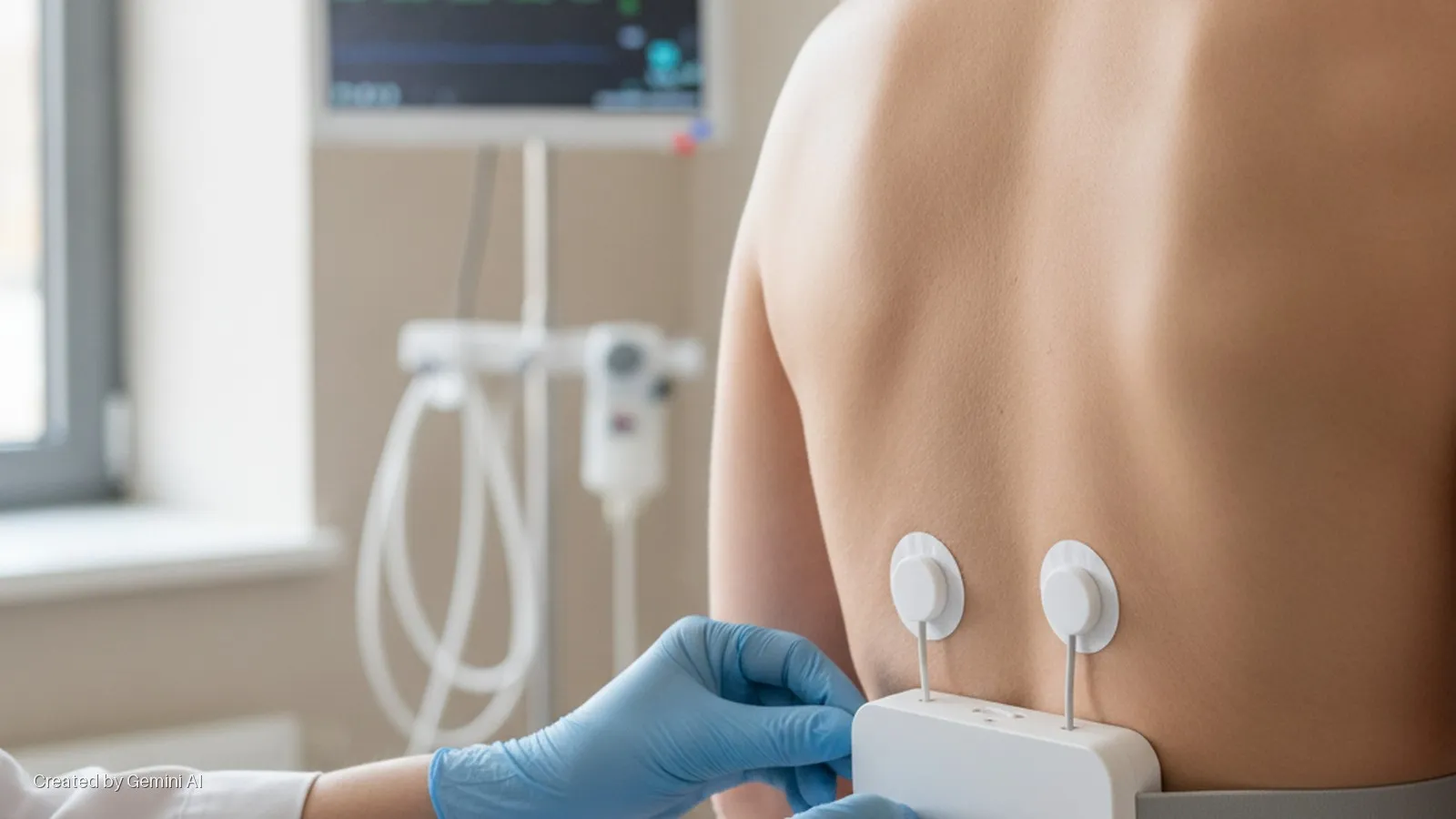
VisCardia has published results from the RECOVER-HF pilot trial in JACC: Heart Failure, marking the first peer-reviewed, randomised, double-blinded, sham-controlled evaluation of its VisONE Synchronised Diaphragmatic Stimulation (SDS) Therapy in patients with heart failure with reduced ejection fraction (HFrEF).
The 35-patient feasibility study was not powered to demonstrate clinical efficacy. Its primary purpose was to validate the methodological rigour of blinding an implanted-device trial and to generate data that could inform the design of a subsequent pivotal study. That pivotal trial, also called RECOVER-HF, is now enrolling at up to 30 sites in the United States and internationally under IDE status, with the company targeting a premarket approval (PMA) submission on completion.
The technology
VisONE delivers precisely timed electrical pulses to a small region of the left hemi-diaphragm, synchronised to the cardiac cycle. The implant is placed via a two-port laparoscopic approach and carries no hardware in or on the heart itself, a feature VisCardia positions as differentiating the device from established cardiac rhythm management therapies. The system received Breakthrough Device Designation from the FDA, a pathway that offers closer agency engagement during development but does not guarantee approval.
Marat Fudim, of Duke University School of Medicine and first author of the publication, noted that patients who remain symptomatic despite guideline-directed medical therapy represent a large unmet need. "Cardiac diaphragm support is a distinct approach, and this sham-controlled pilot provides an important foundation for evaluating its potential," he said.
The pivotal trial targets patients with New York Heart Association Class II or III symptoms, a left ventricular ejection fraction of 40% or below, who are not candidates for cardiac resynchronisation therapy (CRT). Primary endpoints include freedom from device-related adverse events, change in left ventricular end-systolic volume, six-minute walk distance, and quality-of-life scores.
Market context
HFrEF is a sizeable and commercially contested indication. Device-based therapies including CRT, implantable cardioverter-defibrillators, and, more recently, baroreflex activation therapy and cardiac contractility modulation have each sought to address patients inadequately managed on pharmacotherapy. The pharmacological landscape has also shifted substantially with the adoption of SGLT2 inhibitors, which now feature prominently in guideline-directed regimens, potentially raising the bar for incremental device benefit.
VisCardia's pitch is that SDS targets a physiologically distinct pathway and avoids direct cardiac leads, which may appeal in patients ineligible or non-responsive to CRT. Whether the pivotal trial endpoints are sensitive enough to demonstrate a clinically meaningful signal will be a central question for the FDA review team and for the cardiology community. The RECOVER-HF pivotal dataset, when mature, will also need to address longer-term safety and durability given the implanted nature of the system.
Peter Bauer, president and chief executive of VisCardia, described the JACC publication as an important milestone for the clinical programme and said the company was encouraged by investigator interest in the ongoing pivotal enrolment. The company remains privately held and has not disclosed funding details or a projected timeline to PMA submission.