
Eledon Pharmaceuticals reports BESTOW Phase 2 quality-of-life data

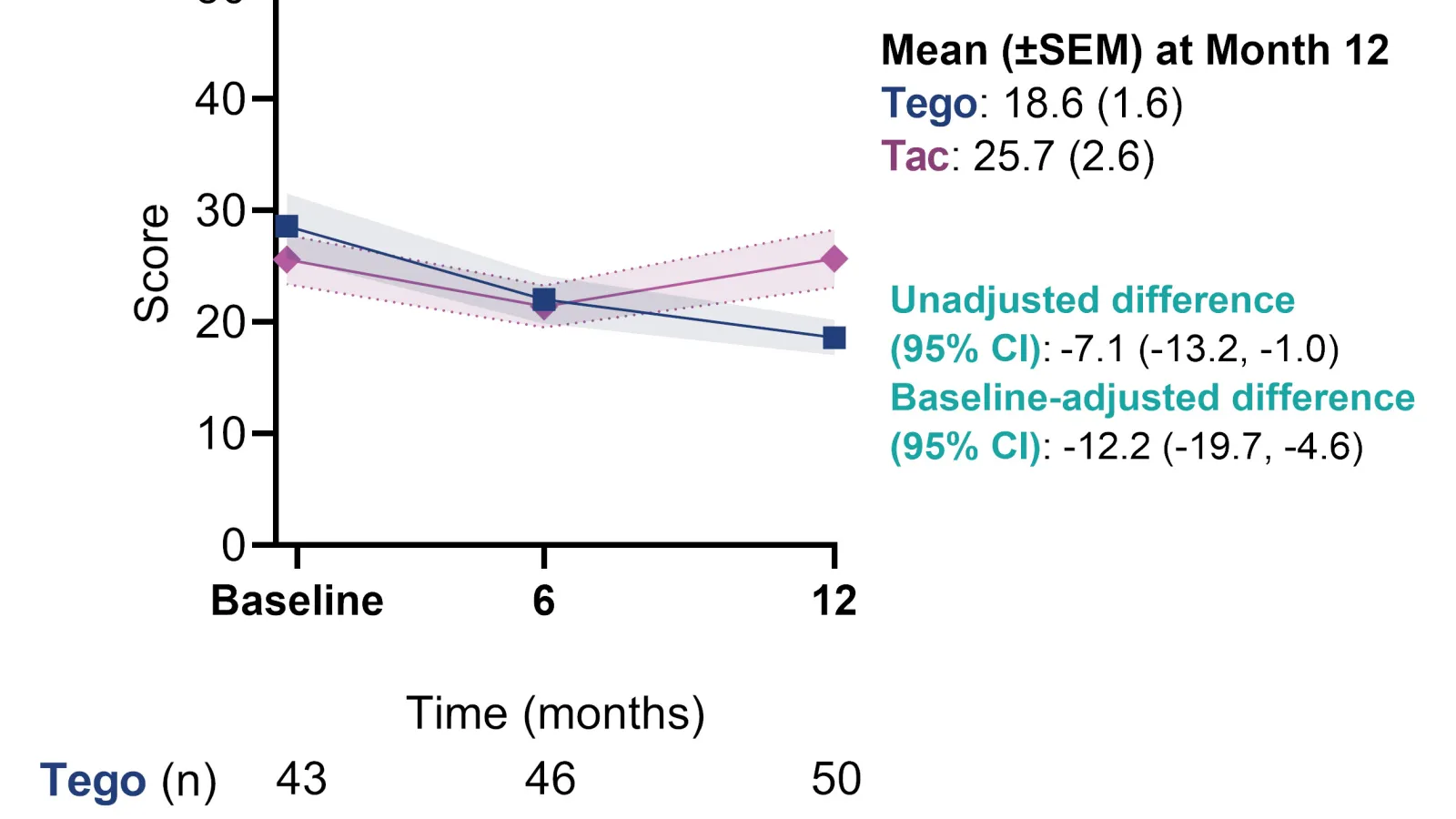
Eledon Pharmaceuticals has presented patient-reported outcomes data from the Phase 2 BESTOW trial of tegoprubart, its investigational anti-CD40L antibody, showing sustained improvements in quality of life and symptom burden compared with the current standard-of-care immunosuppressant tacrolimus in kidney transplant recipients. The results were delivered in an oral presentation at the American Society of Nephrology Kidney Week 2026 Annual Meeting in Denver on 23 October.
The BESTOW data, assessed using two validated instruments, showed a clear separation between treatment arms through 12 months. On the Modified Transplant Symptom Occurrence and Symptom Distress Scale (MTSOSD-59R), tegoprubart-treated patients reported continued reductions in symptom occurrence from baseline at both six and twelve months. Tacrolimus-treated patients, by contrast, saw symptoms decline initially before returning to slightly above baseline levels by month 12. Tegoprubart showed greater symptom improvement in 22 of 23 domains where differential improvement was observed, spanning neurological, gastrointestinal, metabolic, and physical categories.
Quality-of-life measures
On the Kidney Disease Quality of Life Short Form (KDQOL-SF) Symptoms and Problems Scale, tegoprubart-treated patients recorded a mean change from baseline of 9.0 points at month 12 compared with 3.3 points in the tacrolimus arm, a statistically significant difference (p less than 0.05). Given that a 3 to 5 point change on the KDQOL-SF is generally considered clinically meaningful, the between-group gap appears to exceed the threshold for clinical significance. The SF-12 mental component summary score increased by 1.5 points in the tegoprubart arm, while the tacrolimus group saw a decline of 1.6 points, a 3.1-point between-group difference.
Andrew Adams, Professor of Surgery and Chief of Transplantation at the University of Minnesota, who presented the data, said the consistency of results was particularly compelling. "We observed broad improvements in quality-of-life measures together with remarkably favorable outcomes in transplant-specific symptom reporting," he said. "The extent of separation between treatment groups suggests patients receiving tegoprubart may experience meaningful quality of life advantages while maintaining strong clinical outcomes."
Market context and regulatory path
Tacrolimus has been the dominant calcineurin inhibitor in kidney transplantation for decades, but its side-effect profile, including nephrotoxicity, neurotoxicity, and metabolic disturbance, is well documented. The BESTOW patient-reported outcomes add a qualitative dimension to previously reported efficacy, kidney function, and safety findings from the same trial, building a broader argument for clinical differentiation.
Tegoprubart is a CD40L-targeted antibody, a mechanism that has historically attracted interest in transplant immunology but faced development setbacks from earlier compounds in the class. Eledon is one of a small number of companies pursuing this pathway, and the BESTOW data will face scrutiny from transplant specialists and payers on whether the quality-of-life benefits are durable and whether they translate to a Phase 3 design sufficient to support regulatory approval. The company has not yet announced Phase 3 plans or a regulatory engagement timeline following this readout. The next key milestones will be the submission of the full BESTOW dataset and Eledon's dialogue with the FDA on a pivotal trial pathway.