
UVM wins $38m ARPA-H contract to build AI digital twins for ICU care

The University of Vermont has secured a research and development contract worth up to $38 million from the Advanced Research Projects Agency for Health (ARPA-H) to develop AI-powered digital twins designed to personalise treatment for critically ill patients. The award, the largest in UVM's history, funds a project known as ReSCUED and is structured as a milestone-based programme running up to five years.
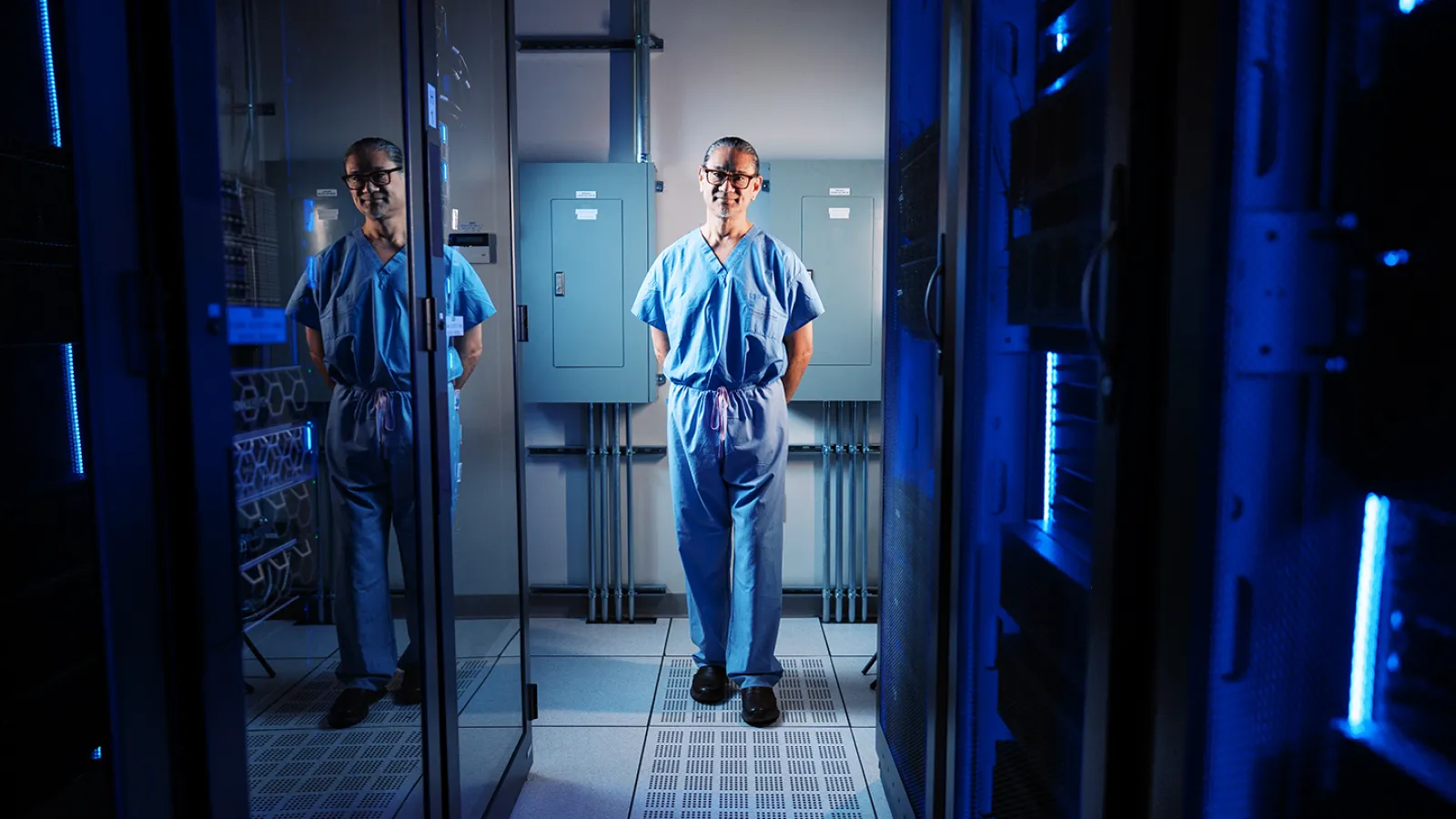
Gary An, a trauma surgeon and researcher at UVM's Larner College of Medicine, is leading the initiative. The project targets one of intensive care's most stubborn problems: the disordered immune response that drives conditions such as sepsis, severe trauma, and burns. "The multidimensional dynamics of immune dysfunction is too complex for a person, even an expert, to comprehend," An said. "But we can train a computational model to do that."
How the digital twin works
Under the ReSCUED approach, blood will be drawn from ICU patients every six hours and analysed for immune cells, proteins, and molecular markers. That data feeds a continuously updated digital twin, which models how the patient's condition is evolving and evaluates the likely effect of FDA-approved treatments before clinicians administer them. An AI "virtual consultant" layer sits on top of the twin, translating its outputs into ranked intervention strategies tailored to the individual patient.
Two private-sector partners provide enabling technologies. The DNA Medicine Institute, based in Cambridge, Massachusetts, supplies a bedside molecular testing platform originally built for use on the International Space Station. InflammaSense, a California medical technology company, contributes wearable devices that monitor vagus nerve activity, a physiological indicator of systemic inflammation. Clinical data will be collected across three sites: Wake Forest University School of Medicine, the University of Alabama at Birmingham, and Washington University School of Medicine.
The team's stated ambition is to cut ICU length of stay by at least 25%. Around 4.6 million Americans receive ICU care annually at an estimated cost of up to $70 billion, figures that give the efficiency target significant economic as well as clinical weight.
Market and regulatory context
The ReSCUED award sits within ARPA-H's broader CIRCLE programme, which is exploring immunological reprogramming for critical illness. Federal high-risk, high-reward funding of this kind is structurally different from NIH grants: milestone triggers mean that later tranches are conditional on demonstrated progress, adding commercial-style accountability to academic research.
The digital-twin concept for clinical decision support is attracting growing interest across the life sciences. Several university spinouts and digital-health companies are pursuing real-time physiological modelling in oncology, cardiology, and rare metabolic disease, though none has yet achieved regulatory clearance for autonomous treatment recommendation in the ICU setting. UVM's project is upstream of that threshold: the first three years are devoted to computational validation, with clinical trials planned only in later phases if early milestones are met.
Sepsis alone affects roughly 1.7 million adults in the United States each year and contributes to more than a quarter of in-hospital deaths, according to the Centres for Disease Control and Prevention. An improvement in treatment precision even at modest scale would represent a meaningful clinical advance, and a validated platform could attract significant commercial interest from critical-care device and software companies once proof-of-concept data are available.