
Optimi Health completes MDMA batch for Phase 3 PTSD trial and export

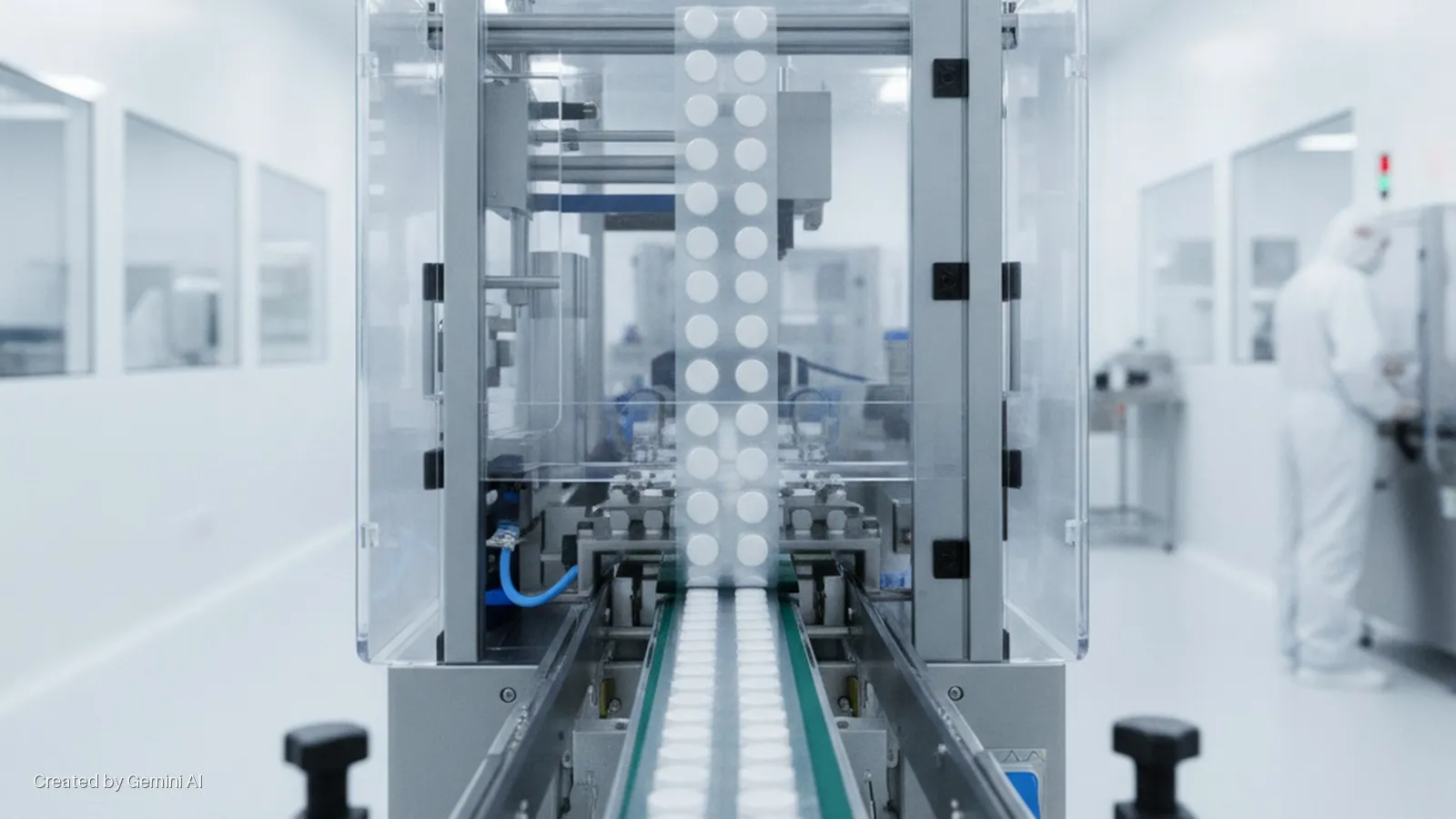
Optimi Health Corp. has completed a production batch of its synthetic MDMA hydrochloride finished drug product, manufactured at its GMP facility in Princeton, British Columbia, under a Health Canada Drug Establishment Licence. The batch is expected to serve three separate programmes: a proposed Phase 3 clinical trial in Canada, a commercial shipment to Australia planned before the end of 2026, and an ongoing clinical trial in Israel conducted in partnership with the Multidisciplinary Association for Psychedelic Studies (MAPS).
The Canadian trial is Optimi's most significant near-term regulatory step. It is intended to enrol up to 100 veterans and current or former frontline workers across multiple sites, with enrolment expected to begin in 2027. Participants would receive MDMA in two supervised psychotherapy sessions spaced several weeks apart, and the primary efficacy endpoint is change in score on the Clinician-Administered PTSD Scale (CAPS-5), the standard instrument for assessing PTSD severity. Health Canada has authorised the trial design, though Optimi's MDMA products have not received market authorisation in Canada.
Australian market and Israel partnership
Australia remains Optimi's only commercial revenue market for MDMA. Under the Therapeutic Goods Administration's Authorised Prescriber Scheme, clinicians can prescribe MDMA to patients with PTSD, with reimbursement available through several public and private payers including the Department of Veterans' Affairs, the National Disability Insurance Scheme, and Medibank. Optimi said more than 750 clinicians have completed Mind Medicine Australia's relevant training certificate, and the company reported no serious adverse events among patients since commercial supply began in 2024.
In Israel, Optimi supplies MDMA capsules for MAPS Israel's Healing October 7th project, a trial focused on PTSD that has received approval from the Israeli Ministry of Health. Optimi first disclosed the Israel partnership in November 2025.
"Veterans in Australia can already access MDMA-assisted therapy through their own government. Veterans in Canada cannot," said Dane Stevens, chief executive and co-founder of Optimi. "The Canadian Phase 3 trial is how we hope to close that gap, and the medicine for that trial is already made."
Regulatory and competitive landscape
The regulatory trajectory for MDMA-assisted therapy has become considerably more complex in the United States, where the FDA declined to approve Lykos Therapeutics' MDMA-PTSD application in 2024, requesting additional trial data. That decision cast uncertainty across the broader field and prompted debate over trial design standards and the role of therapy in drug-assisted treatment protocols. Canada's Health Canada has taken a more permissive approach by authorising this Phase 3 trial design, and Australia's commercial approval remains the clearest precedent globally for market access.
A number of academic and commercial groups are running MDMA and psilocybin studies across North America and Europe, and the competitive dynamic for Optimi hinges less on molecule exclusivity and more on its GMP manufacturing position. As one of a small number of licensed manufacturers of regulated psychedelic drug products, Optimi's commercial advantage rests on its supply infrastructure. Whether that infrastructure translates into durable competitive positioning will depend on how quickly regulatory frameworks develop in Canada and other jurisdictions that Stevens specifically flagged as markets under observation.
The Phase 3 trial data, when available, will be closely watched. Readouts against the CAPS-5 endpoint will need to address the committee-level concerns raised during the US regulatory process, particularly around trial blinding and the contribution of the psychotherapy component to outcomes.