
Fractyl Health's Revita meets six-month pivotal endpoint in REMAIN-1

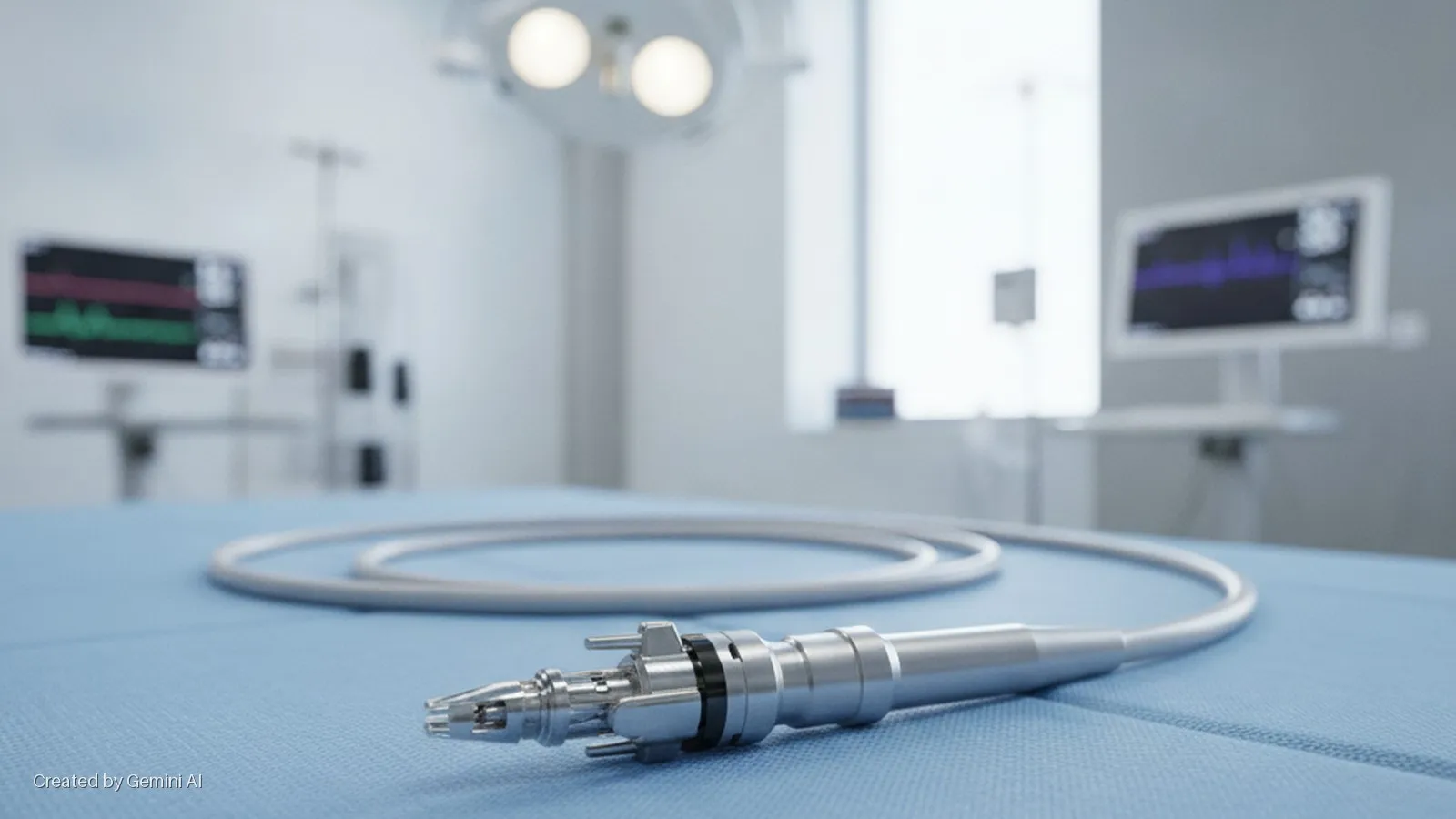
Fractyl Health has reported positive topline six-month data from the Pivotal Cohort of REMAIN-1, a 308-participant randomised, double-blind, sham-controlled study of its Revita DMR System in adults with obesity following discontinuation of GLP-1 therapy. The trial met its pre-specified six-month co-primary endpoint with high statistical significance (p=0.0023), with Revita-treated participants retaining approximately 80% of their GLP-1-induced weight loss compared with 67% in the sham arm.
In absolute terms, least-squares mean weight regain was 5.1% of total body weight in the Revita group versus 8.2% in the sham group. A post hoc analysis showed that 32% of Revita participants were either weight-stable or had lost further weight at six months, compared with 18% in the sham arm. Safety data were described as favourable: no device- or procedure-related serious adverse events, no deaths, and no unanticipated adverse device effects were recorded as of the 24 September data cut-off. Related adverse events were predominantly mild and peri-procedural.
What the data show
A dose-dependent signal was evident in post hoc subgroup analyses. Participants who received 20 cm or more of duodenal ablation regained a mean 3.8% of body weight, versus 8.2% in the sham arm, a 53% reduction in weight regain. Those receiving 12 to 18 cm showed 43% less regain. Fractyl noted that the treatment effect widened at each assessment between months one and six, nearly doubling from month three to month six.
The second pre-specified co-primary endpoint, a responder rate measuring the proportion of participants maintaining at least 5% total body weight loss relative to their pre-tirzepatide baseline, will be assessed at 12 months. Topline one-year data are expected in Q1 2027. Harith Rajagopalan, co-founder and chief executive of Fractyl, said the results establish "the thesis that targeting the duodenum may enable a durable metabolic reset for millions of patients who seek to treat the root cause of their obesity."
Regulatory path and market context
Revita holds FDA Breakthrough Device Designation for post-GLP-1 weight maintenance, and Fractyl has said it intends to file a De Novo marketing application with the FDA in late Q4 2026. The De Novo pathway is appropriate for novel low-to-moderate-risk devices without a predicate, meaning the agency will need to establish special controls for the category. Fractyl is targeting potential marketing authorisation in late 2027 and a U.S. commercial launch in early 2028.
A dedicated Category III CPT reimbursement code for the Revita procedure, code 1122T, takes effect on 1 January 2027, which gives payers and hospital systems lead time to assess coverage ahead of any approval. That coding milestone is commercially meaningful: it reduces a common barrier to adoption for new procedural technologies, though Category III codes do not themselves guarantee reimbursement.
The post-GLP-1 weight maintenance space is emerging rapidly as a distinct clinical category. The widespread uptake of GLP-1 receptor agonists such as semaglutide and tirzepatide has created a large, identifiable population of patients who regain weight after discontinuation, and no approved procedural or pharmacological product is yet authorised specifically for that indication. Fractyl's Revita, if authorised, would enter a largely uncontested field, though sustained weight-loss pharmacotherapies and bariatric surgery remain competitive alternatives. The company also has a second platform in early clinical development: Rejuva, an AAV-based gene therapy candidate entering first-in-human studies. Investors will be watching the 12-month REMAIN-1 readout and the De Novo submission timeline as the two near-term value inflection points.