
3rd Primary Care Academy 2026 closes with focus on precision prevention

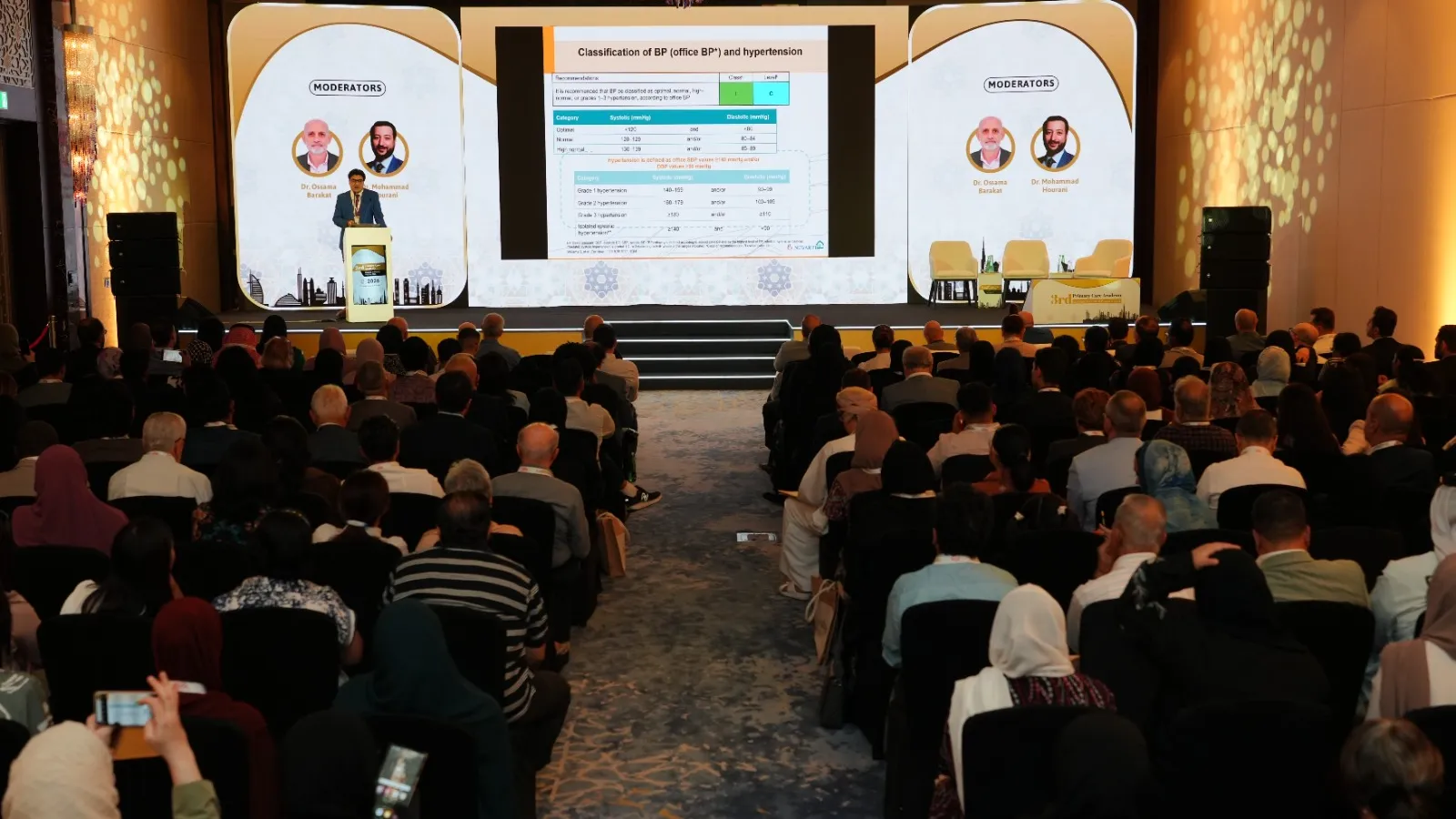
The third Primary Care Academy conference concluded in Dubai, organised in partnership with Emirates Hospitals Group and supported by the Emirates Family Medicine Division and the Turkish Society for Health Promotion and Health Policies. The event gathered clinicians and researchers to examine how primary care can do more to reduce the burden of chronic disease through earlier intervention, personalised treatment protocols, and sustained behavioural support.
Sessions covered cardiovascular health, early cancer detection, metabolic disease, obesity, diabetes, smoking cessation, and tobacco harm reduction. A consistent message across all tracks was that effective prevention requires clinicians to move beyond single biomarkers, cholesterol readings, blood pressure, BMI, and glucose levels, and assess a broader constellation of clinical, behavioural, and social risk factors.
Cardiovascular risk and the case for early action
Discussions on cardiovascular disease emphasised the value of intervening before a serious cardiac event occurs. Speakers highlighted factors that standard lipid panels miss, including systemic inflammation, insulin resistance, genetic predisposition, sleep quality, stress, and physical activity levels. Primary care physicians were positioned as the clinicians best placed to synthesise these dimensions and flag at-risk patients early.
Smoking cessation and tobacco harm reduction were identified as an area of particular complexity. Speakers argued that addressing nicotine dependence requires more than a simple cessation recommendation: a patient's level of addiction, behavioural patterns, psychosocial triggers, prior quit attempts, and relapse likelihood all bear on the appropriate support pathway. For adult smokers unable to stop entirely, participants discussed harm-reduction strategies and the potential role of non-combustible alternatives, while stressing these carry their own risks and are not intended for non-smokers.
Dr Shareef Bakir, a cardiology consultant at MedCare Medical Centre, drew a distinction that recurred throughout the day: "We must emphasise the difference between smoking and nicotine, they are not the same thing. Smoking is harmful, and if someone cannot quit, harm-reduction strategies become very important. These approaches are only for adult smokers who cannot stop, and we should absolutely never encourage anyone who has never smoked to start."
Obesity and cancer detection: rethinking standard frameworks
Obesity discussions challenged frameworks that centre primarily on body weight or willpower. Speakers described obesity as a chronic, multifactorial and relapsing condition shaped by metabolic, psychological, behavioural, and socioeconomic factors, arguing that assessment and treatment should address overall health rather than weight alone.
Dr Raheela Bhatti, a consultant in general internal medicine, diabetes, and endocrinology at Genesis Healthcare, said: "Obesity is a chronic disease, it is not measured in kilograms and cannot be defined by BMI alone. The scales tell you limited and incomplete information. Weight loss should not be the only goal of obesity treatment. We need to move beyond willpower and body weight toward improving metabolic health and quality of life, because one size does not fit all."
Early cancer detection sessions focused on balancing innovation with evidence. Emerging technologies including AI-assisted mammography, liquid biopsy, and multi-cancer detection assays were reviewed, but speakers maintained that established screening programmes remain the foundation, with newer tools positioned as complements rather than replacements.
Market and policy context
The conference themes reflect a broader shift occurring across primary care systems in the Gulf Cooperation Council region, where non-communicable disease prevalence is high and governments have set explicit targets for reducing preventable hospitalisations. The UAE's National Health Strategy places primary and preventive care at its centre, and events such as this academy form part of a deliberate effort to translate that policy intent into updated clinical practice at the practitioner level. The integration of AI clinical decision-support tools into chronic disease workflows is attracting growing interest from health systems across the Middle East, though speakers at this event were careful to frame such tools as adjuncts to, not substitutes for, clinical judgement.