
Eton Pharmaceuticals licenses LIBERVANT buccal film from Aquestive

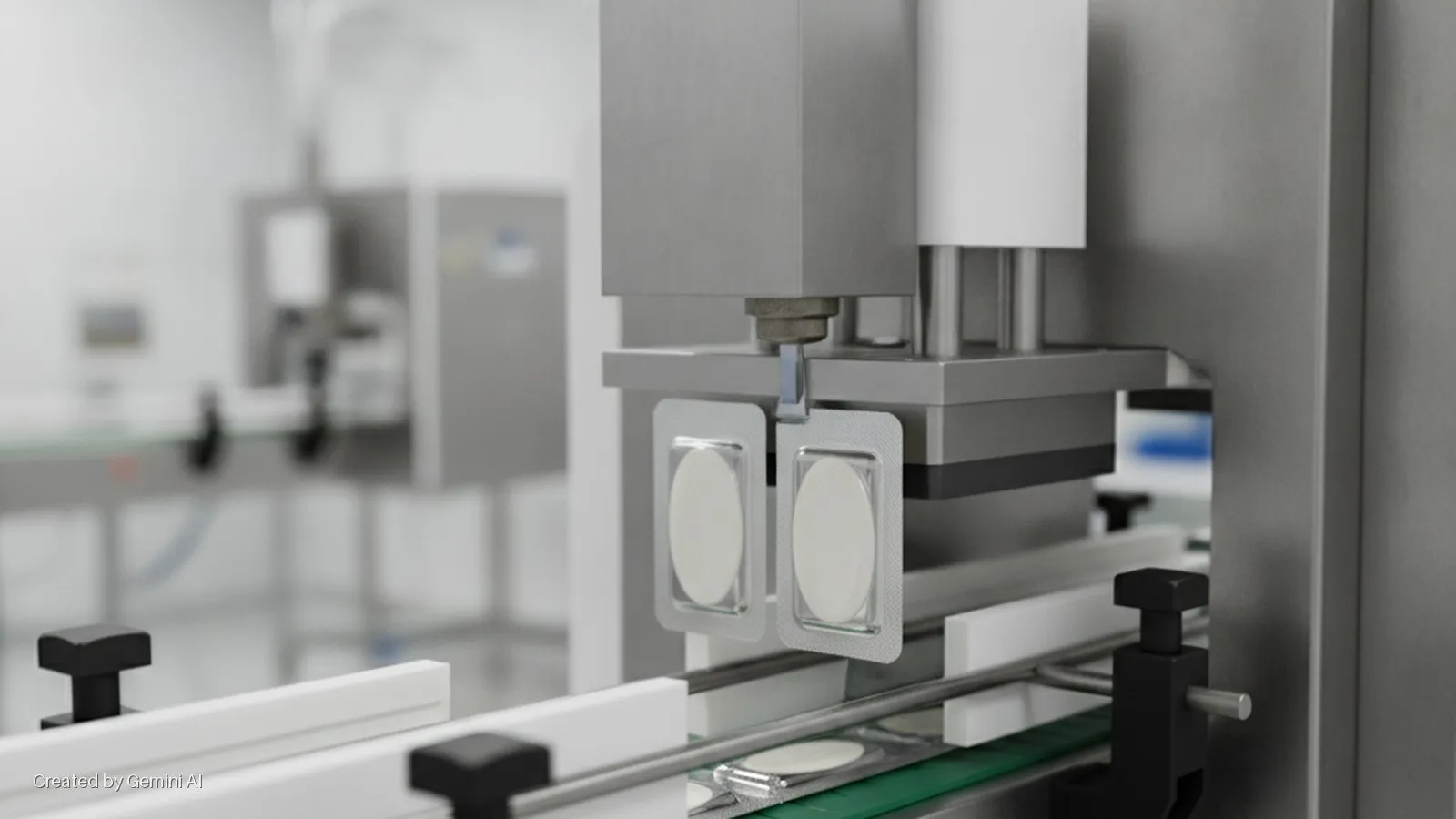
Eton Pharmaceuticals has signed an exclusive US licensing and supply agreement with Aquestive Therapeutics for LIBERVANT, a buccal-film formulation of diazepam indicated for seizure clusters in patients with epilepsy. The Nasdaq-listed rare-disease specialist anticipates a commercial launch in April 2027, contingent on final FDA approval.
Under the terms of the deal, Eton acquires US commercialisation rights while Aquestive retains manufacturing responsibilities under a separate supply agreement. Financial details, including any upfront payment, milestone structure, or royalty rates, were not disclosed in the announcement. LIBERVANT holds Orphan Drug Designation and carries issued patent protection extending to 2038, with additional applications pending.
Regulatory path and label expansion
LIBERVANT currently holds tentative FDA approval for patients aged two to five years and twelve years and above. The tentative status reflects an orphan drug exclusivity period belonging to Neurelis's VALTOCO, a competing nasal-spray formulation of diazepam, which is scheduled to expire on 10 January 2027. Eton expects that expiry to unlock full approval for the twelve-and-above population.
A separate Type 9 New Drug Application seeking to add the six-to-eleven age bracket to the label is under FDA review, with a PDUFA target action date of 29 March 2027. If approved, the filing would extend the indicated population to patients aged six and older, meaningfully widening the addressable base ahead of the planned commercial launch.
Sean Brynjelsen, chief executive of Eton, said the agreement "marks an important expansion of our portfolio into neurology and represents a compelling opportunity to bring an orphan-designated, differentiated therapy to patients."
Market context and competitive positioning
The US seizure rescue market is described by Eton as exceeding $450 million annually. It is currently dominated by two established delivery formats: rectal diazepam gel, which has been available for decades under brands including Diastat, and intranasal diazepam spray, represented by VALTOCO. Midazolam nasal spray, marketed as Nayzilam by UCB, also competes in this space.
Patient preference data cited in the release, drawn from a survey of 101 individuals, suggests a potential commercial edge for the buccal format. Among respondents shown a video comparing the two presentations, 71% expressed a preference for the film over nasal spray, against 13% favouring the spray, assuming equivalent efficacy. A separate finding noted that 76% of those surveyed reported concern about not having their rescue medication within reach outside the home, yet only 34% said they always carried it. Eton is positioning portability and discreet administration as differentiating attributes.
The buccal film format, developed on Aquestive's proprietary PharmFilm platform, dissolves inside the cheek without a delivery device, which the companies argue addresses practical barriers to on-the-go use. Whether that convenience advantage translates to prescriber uptake will depend heavily on payer formulary decisions and physician familiarity, neither of which is addressed in the release.
Eton plans to build a dedicated neurology sales team supported by its existing commercial infrastructure. The company has prior experience launching specialist orphan medicines, including INCRELEX for growth hormone deficiency and GALZIN for Wilson's disease, which provides some relevant precedent for the patient-advocacy and access-support model it intends to deploy for LIBERVANT.
For Aquestive, the licensing arrangement allows the company to focus capital on its own pipeline, notably Anaphylm, a sublingual epinephrine film for anaphylaxis that is advancing through development. Monetising LIBERVANT through a partnership rather than building a commercial infrastructure independently fits the company's stated CDMO-and-licence strategy.