
IBA and Framatome launch Ekalia JV to scale Astatine-211 supply

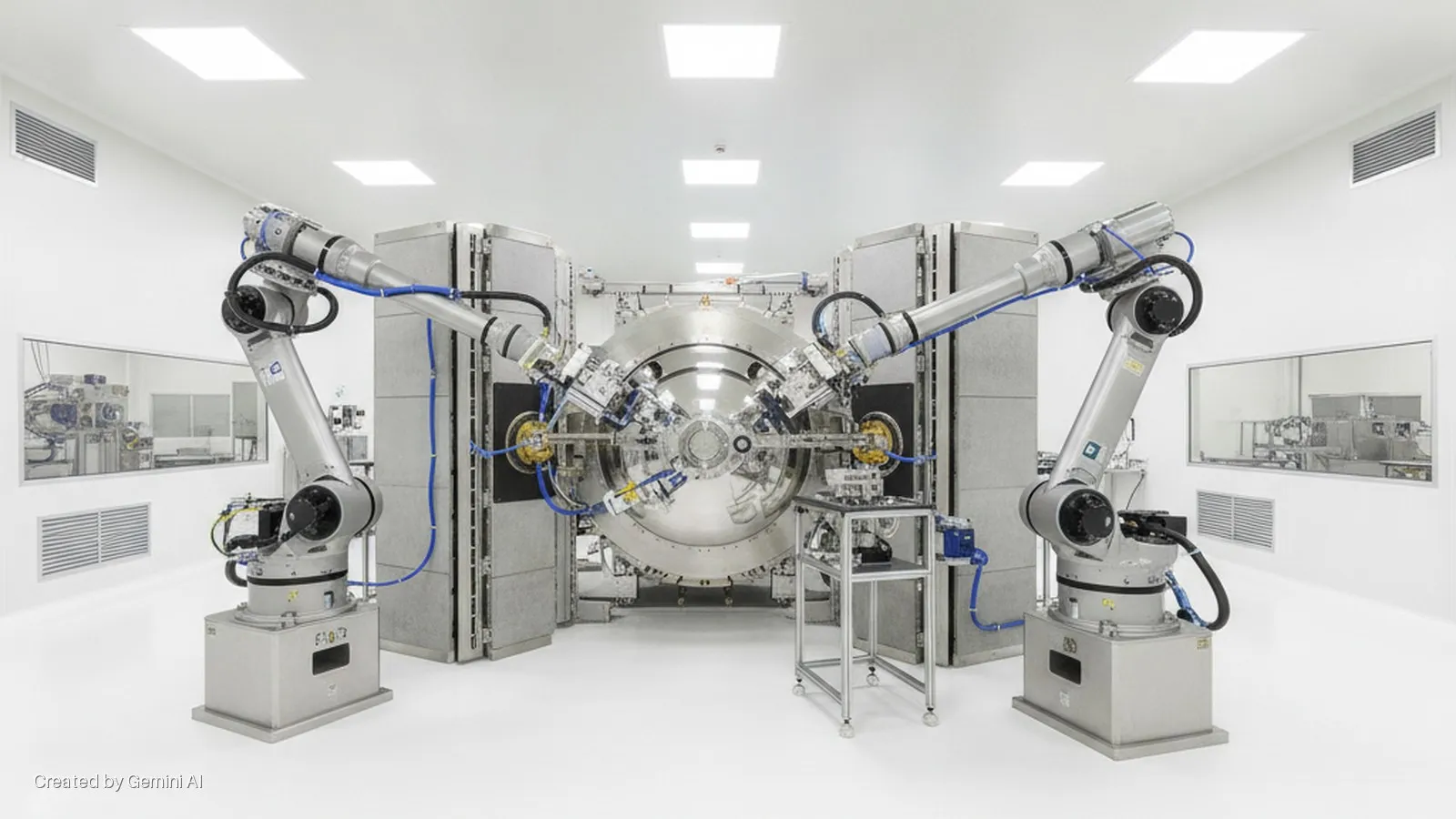
IBA and Framatome have established a jointly owned company called Ekalia, dedicated to the industrial-scale production of Astatine-211 (At-211), an alpha-emitting radioisotope seen as a strong candidate for precision cancer therapy. The announcement, made on 16 October 2026, marks one of the more substantial supply-chain commitments seen in the targeted alpha therapy (TAT) space to date.
The venture combines IBA's cyclotron and isotope production technology, including its recently launched Cyclone iKure platform purpose-built for At-211, with Framatome's nuclear industrial expertise. Framatome brings a track record in large-scale isotope production: its ISOGEN joint venture with Kinetrics enabled the first commercial reactor-based production of Lutetium-177 in Canada in June 2022, a milestone that helped stabilise supply for prostate cancer radioligand therapies.
The deal
Ekalia's first production site is planned for Nantes, France, with an operational target of 2028. A second pilot site in the United States is also in scope, followed by further expansion across Europe and North America. No capital commitment figures or revenue projections were disclosed in the announcement.
Catherine Vandenborre, Chief Corporate and Ventures Officer at IBA, said the venture was designed to "remove the barriers limiting patient access to innovations in nuclear medicine" by making At-211 available at industrial scale to support new cancer therapy development.
At-211's appeal in nuclear medicine lies in its physics. As an alpha emitter with a short path length in tissue, it can in principle deliver a concentrated radiation dose to tumour cells while limiting collateral damage to healthy tissue. Its half-life of around seven hours, however, creates a logistics problem that has constrained the clinical pipeline: production must happen close to the point of use, which has historically confined At-211 to a small number of academic cyclotron facilities.
Market context
The broader targeted alpha therapy market has grown considerably in ambition since the approval of radium-223 dichloride and, more recently, the commercial momentum behind Lutetium-177-based radioligand therapies. Several pharmaceutical companies are now actively building At-211-conjugate programmes in haematology and solid tumour indications, and reliable supply is widely cited by developers as the principal bottleneck to advancing clinical trials.
Ekalia enters a competitive but still nascent field. A number of academic centres in Scandinavia, the United States and Japan have run cyclotron-based At-211 programmes for years, and at least one other commercial initiative has been announced in the sector. What distinguishes the Ekalia model is the explicit industrial-network ambition rather than a single-site approach, and the involvement of Framatome's nuclear-sector operational experience. IBA is also separately active in Actinium-225 production through its PanTera platform, giving the group a multi-isotope TAT strategy.
For drug developers, the key question will be whether Ekalia can demonstrate consistent batch quality and delivery reliability ahead of the anticipated wave of late-stage At-211 conjugate trials expected in the latter half of the decade. The Nantes site's 2028 operational date gives a firm near-term milestone against which to assess progress.