
MBRIF marks 10 years with AED 3.5bn raised and 1,500 jobs created

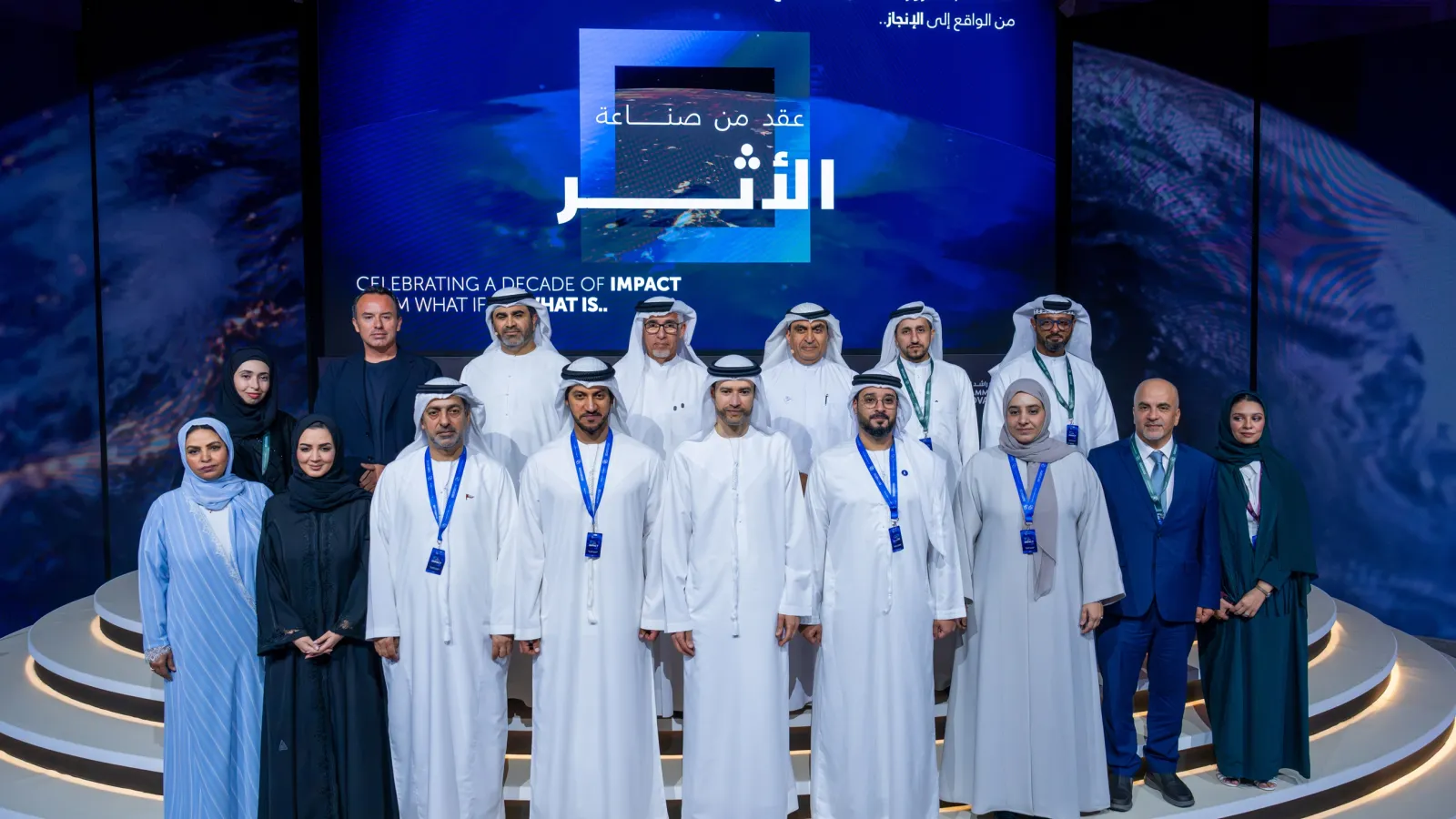
The Mohammed Bin Rashid Innovation Fund (MBRIF), an initiative of the UAE Ministry of Finance, has published its 10-Year Impact Report, covering a decade of activity since the Fund's launch in 2016. The report, titled "From What If to What Is", was unveiled at a dedicated event in Dubai and details how the Fund has helped more than 240 companies collectively raise over AED 3.5 billion in funding and contribute to the creation of more than 1,500 jobs in the UAE.
The Fund has drawn applications from more than 100 countries over its lifetime, a figure MBRIF cites as evidence of the UAE's positioning as a destination for international innovation talent. Its portfolio spans seven national priority sectors: clean energy, transport, education, healthcare, technology, water and space.
Three programmes, one ecosystem
MBRIF operates through three structured pathways. Its Guarantee Scheme, active since 2016, provides bank-financing guarantees to innovative companies without taking equity stakes; it has issued guarantees on financing exceeding AED 45 million to date. The Innovation Accelerator, launched in 2018 and now running across 12 cohorts, has helped facilitate more than 3,000 collaboration opportunities for participating companies. A newer strand, the Innovation Trailblazers programme, was launched in 2025 and targets university-stage entrepreneurs; its first edition drew 70 applications from 20 institutions.
Shaker Zainal, Head of MBRIF, said the decade had shown that innovators need more than capital at different stages of growth: "An innovator may need financing at one stage, and specialist expertise, market access, an understanding of regulatory requirements or partnership-building at another."
Portfolio companies and market context
The report profiles a selection of portfolio companies across economic, social and environmental impact categories. In logistics, Quiqup facilitated AED 875 million in commercial transactions in 2026. Agricultural technology company Pure Harvest produces more than 13,000 tonnes of fresh crops annually in the UAE. Healthcare payments platform Toothpick has arranged over AED 150 million in patient financing. On the environmental side, Manhat produces fresh water from seawater without electricity; Circa Biotech converts food waste into proteins, sustainable aviation fuel and fertilisers; and Seramic Materials recycles industrial waste into construction ceramics that the company says reduce carbon emissions by more than 30% compared with conventional alternatives.
MBRIF's approach places it within a wider cohort of government-backed innovation funds that have proliferated across the Gulf Cooperation Council over the past decade. Saudi Arabia's Jada Fund of Funds and similar vehicles in Abu Dhabi and Qatar have pursued comparable mandates to mobilise private capital and diversify away from hydrocarbon revenues. What distinguishes MBRIF, at least by its own account, is its integrated non-equity model: the Guarantee Scheme allows the Fund to extend support without diluting founders, a structure that is relatively uncommon among sovereign-linked accelerators globally and that may appeal to founders wary of strategic investors on their cap tables.
The Fund's forward priorities are linked to several UAE national strategies, including We the UAE 2031, the UAE Water Security Strategy 2036 and the National Food Security Strategy 2051. Fatima Yousif Al Naqbi, Acting Assistant Undersecretary for the Support Services Sector at the Ministry of Finance, said the Fund demonstrated how government entities, financial institutions and entrepreneurs could "translate innovation into tangible economic value." For the biotech and health-tech segment of MBRIF's portfolio, the next milestones to watch will be whether companies such as Toothpick and Key2Enable can scale across the broader MENA region, and whether the healthcare cohort begins to attract co-investment from international life sciences funds looking for a Gulf entry point.