
alkalma and BeehiveX sign MoU to advance preventive health in UAE

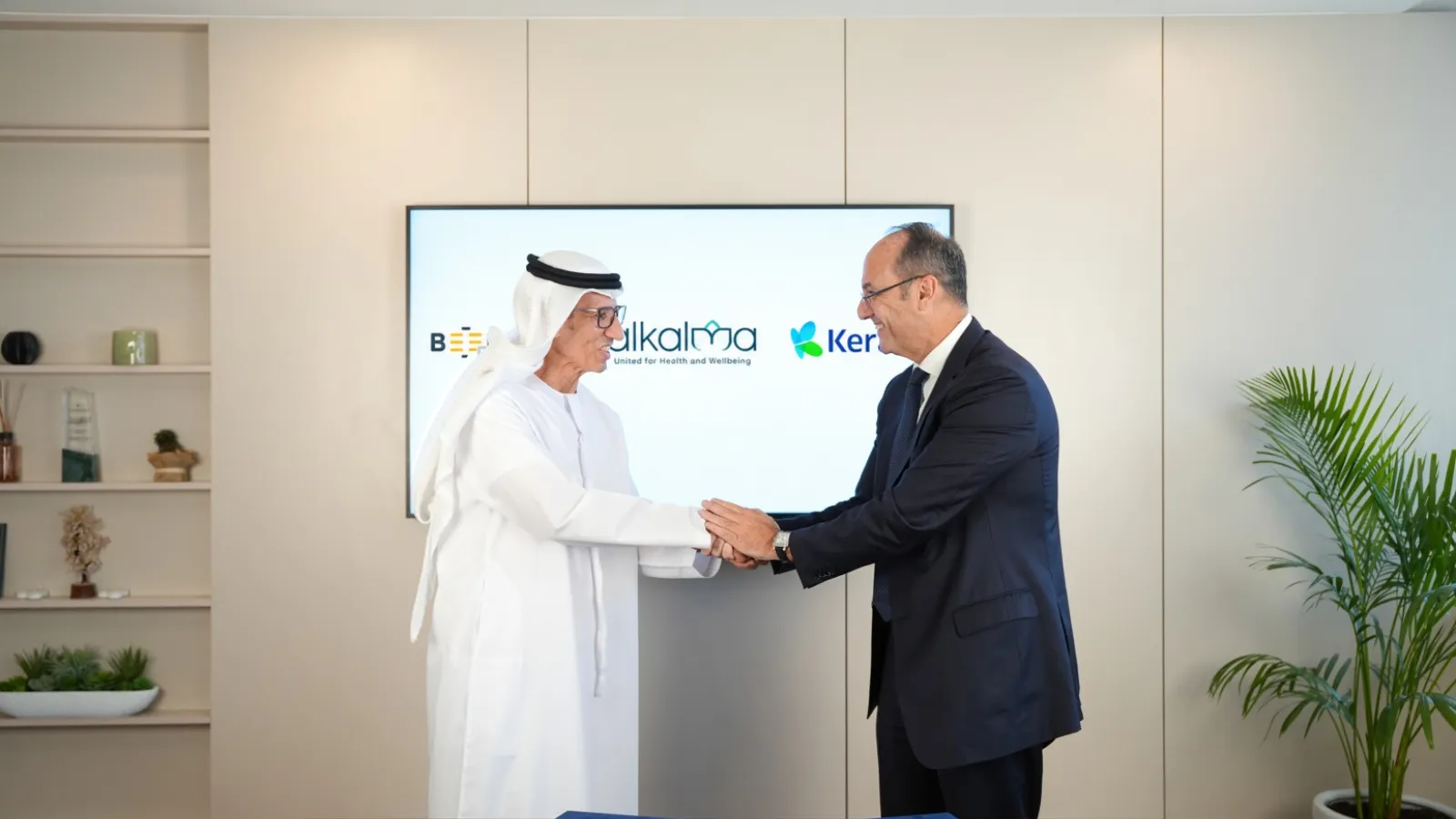
alkalma and BeehiveX have signed a Memorandum of Understanding to explore how population health management and behavioural science can be combined to shift people from passive awareness of health risks toward active, sustained behaviour change. The agreement was signed at the Future Health event in Abu Dhabi on 12 November 2026.
alkalma, the mental health and wellbeing subsidiary of Colombia-based Keralty, brings structured population health programmes designed to identify risk across different community groups and coordinate care pathways. BeehiveX contributes behavioural research, human-centred design, and communication strategy. The partnership will initially focus on the UAE, with other regional markets considered as the collaboration matures.
What the MoU covers
Planned areas of joint activity include community wellbeing initiatives, school and workplace health programmes, and support for people managing long-term conditions. The two organisations also intend to co-design, pilot, and evaluate behavioural interventions with the aim of generating replicable evidence on what drives participation in screening and early support-seeking.
Dr Emilio Herrera, chief executive of alkalma and Keralty MENA, said the ambition was to develop approaches that make prevention "more relevant to people's everyday lives" rather than simply explaining what individuals should do. BeehiveX chairman Omar Najim described the goal as moving beyond conventional awareness campaigns toward "evidence-based interventions that create measurable and lasting improvements in health and wellbeing."
No financial terms were disclosed. The MoU establishes intent; specific initiatives will be scoped and agreed jointly.
Market context
The Gulf region has become an increasingly active market for preventive health programmes, driven by government strategies in both the UAE and Saudi Arabia that prioritise reducing the burden of non-communicable diseases such as diabetes, cardiovascular disease, and obesity. The UAE's national health agenda explicitly targets behavioural risk factors, creating a receptive policy environment for the kind of community-level intervention this partnership describes.
Applying behavioural science systematically to population health management remains a relatively nascent discipline in the region. Internationally, organisations such as the UK's Behavioural Insights Team have demonstrated that nudge-based and human-centred design approaches can materially improve uptake of screening programmes and vaccination, lending academic credibility to the direction alkalma and BeehiveX are pursuing. Whether the partnership can produce independently evaluated evidence at scale, rather than pilot-level case studies, will be the measure by which the collaboration is judged by commissioners and payers.
The partnership carries characteristics common to early-stage MoUs: broad intent, no committed funding envelope, and no named regulatory or government counterparts. Investors and health system buyers will want to see pilot data and named programme rollouts before assessing commercial traction. The next meaningful milestone will be the announcement of a named joint initiative, ideally with a defined evaluation framework attached.