
Alpha Tau wins FDA nod to double REGAIN glioblastoma trial size

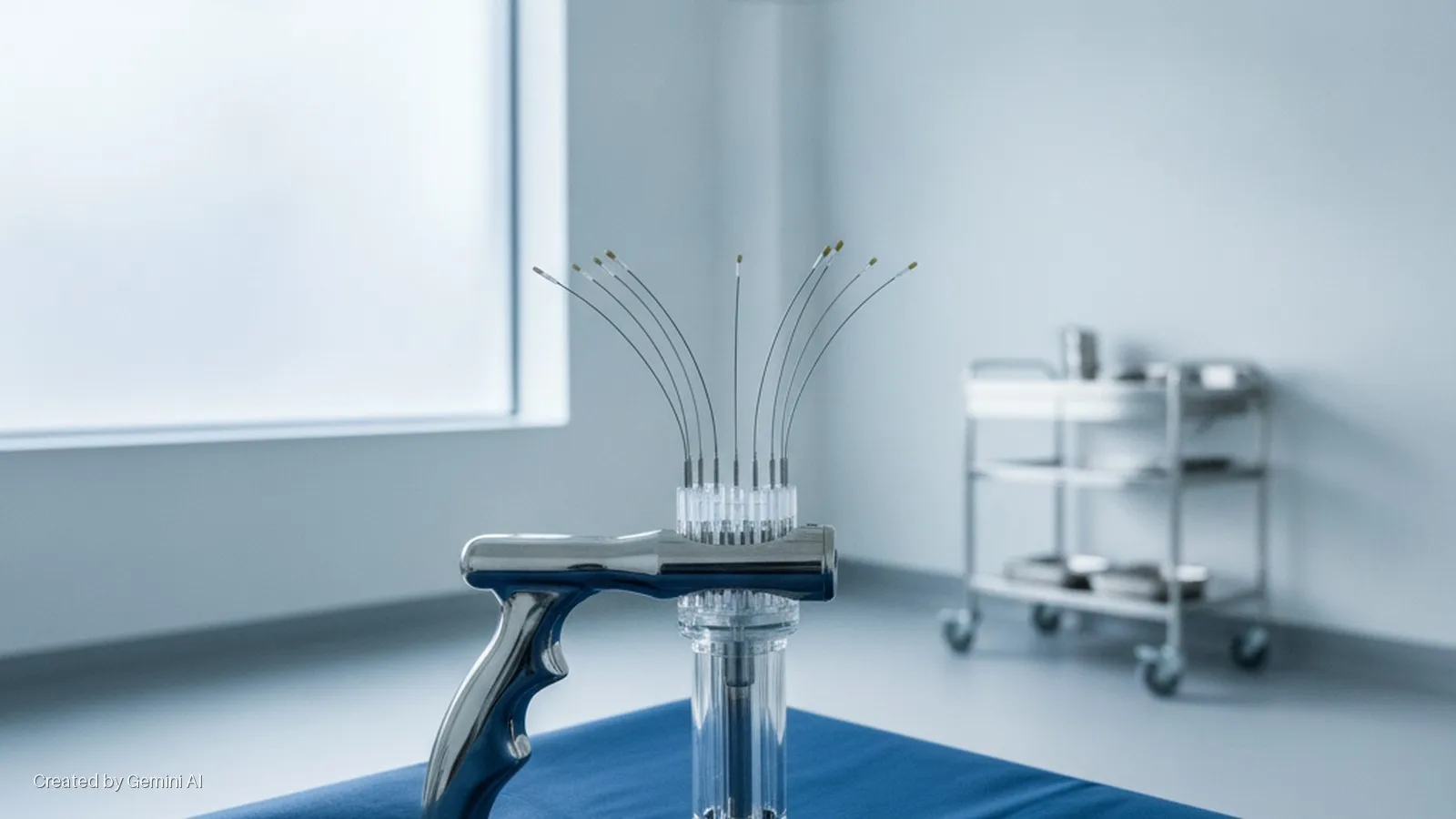
Alpha Tau Medical has received FDA approval to expand its REGAIN trial, a first-in-human study of its Alpha DaRT intratumoral radiation device in recurrent glioblastoma. The approved Investigational Device Exemption supplement doubles the maximum enrolment from 10 to 20 patients across three authorised US academic cancer centres, and widens the patient population and outcome measures being tracked.
The company also confirmed that an abstract from the REGAIN principal investigator, Dr Joshua Palmer of the Ohio State University Comprehensive Cancer Center (OSUCCC – James), has been accepted for oral presentation at the 31st Annual Meeting of the Society for Neuro-Oncology (SNO) in Philadelphia on 13 November 2026. The presentation will include updated interim data building on results previously disclosed in May 2026 from the trial's first three treated patients, and marks REGAIN's first appearance at a major scientific conference.
What the expanded protocol adds
The revised study design broadens eligibility to patients with IDH-mutant grade 4 brain tumours, a category that the World Health Organisation reclassified separately from glioblastoma in 2021. Progression-free survival has been added as a secondary endpoint alongside overall survival, radiographic local tumour control, and quality-of-life assessments. An additional interim analysis is also written into the protocol, triggered six months after the fifth patient's treatment, which occurred in July 2026.
Chief medical officer Robert Den said the broader dataset would allow the company to address survival and neurological function together, describing quality-of-life measurement as "particularly important in recurrent glioblastoma, where extending survival while preserving neurological function and quality of life remains a major clinical challenge." Chief executive Uzi Sofer framed the expanded enrolment as potentially informing the company's future regulatory development strategy in the indication, though Alpha Tau stopped short of committing to a specific market submission timeline.
Market context and competitive landscape
Recurrent glioblastoma is one of the most difficult-to-treat solid tumours in oncology. Median overall survival after recurrence is typically measured in months, and no therapy has demonstrated a consistent overall survival benefit in randomised trials at this stage. Bevacizumab holds FDA approval for recurrent glioblastoma based on radiographic response data, but its survival benefit remains contested. Tumour treating fields therapy (Optune, Novocure) is approved in newly diagnosed and recurrent settings, yet uptake and efficacy in recurrence remain subjects of ongoing debate.
Alpha DaRT's approach differs mechanically from both: radium-224 impregnated sources are implanted intratumorally, releasing short-lived alpha-emitting daughter atoms that disperse within the tumour while sparing surrounding healthy tissue. The intracranial delivery system uses a stereotactic platform compatible with standard neuronavigation infrastructure, avoiding open craniotomy. This positions the technology in the same procedural space as laser interstitial thermal therapy and convection-enhanced delivery, both of which are used in a specialist subset of recurrent glioblastoma cases.
Alpha Tau is an Israeli company founded in 2016 and listed on Nasdaq (DRTS). It has not yet received regulatory approval for Alpha DaRT in any indication. The SNO presentation on 13 November will be the most substantive public readout yet from REGAIN, and the data will be closely watched for safety signals and early signals of local tumour control before the trial scales further toward a potential regulatory submission.