
Enable Injections wins first Japan approval for enFuse on-body injector

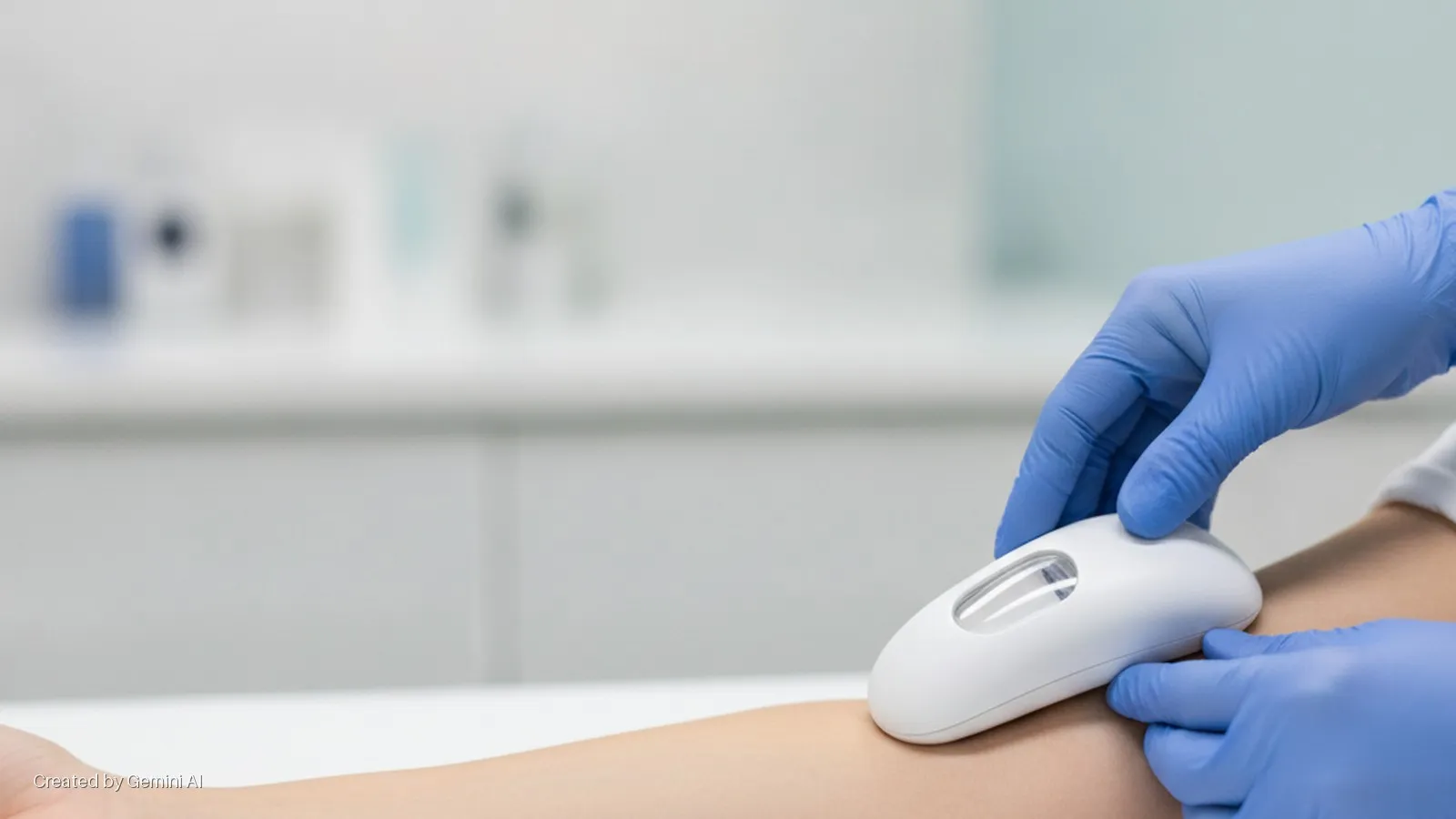
Enable Injections has secured its first regulatory approval in Japan, after the Ministry of Health, Labour and Welfare cleared the CirCLIQ Injector, which is built on the Cincinnati company's enFuse on-body delivery system (OBI), for use with Sanofi's subcutaneous formulation of Sarclisa (isatuximab). The approval covers administration of Sarclisa SC across a range of multiple myeloma indications, including relapsed or refractory disease in combination with pomalidomide and dexamethasone or with carfilzomib, and newly diagnosed multiple myeloma in combination with bortezomib, lenalidomide, and dexamethasone.
The milestone carries two notable firsts for the Japanese market. It is Enable's first commercial product approval in the country and, more broadly, it makes Sarclisa SC the first anticancer treatment to be administered via an on-body injector in Japan. The enFuse technology is already approved in the United States and Europe for the same Sanofi application, and the Japan clearance extends the system's commercial footprint to three major markets.
The device and the clinical evidence
The CirCLIQ Injector is designed to deliver Sarclisa subcutaneously at the push of a button. It uses a hidden, retractable needle that is shorter and thinner than those typically used for large-volume subcutaneous injections, a design feature intended to reduce patient discomfort during what can be a lengthy infusion process when administered intravenously.
The Japan approval of Sarclisa SC was supported by data from the IRAKLIA Phase 3 study in relapsed or refractory multiple myeloma, which demonstrated non-inferiority of the subcutaneous formulation compared with the established intravenous route. The study evaluated Sarclisa SC delivered through both manual subcutaneous administration and via an OBI based on enFuse technology.
Michael D. Hooven, chairman and chief executive of Enable Injections, said the approval was "another important milestone in our mission to expand access to novel drug delivery solutions around the world" and pointed to continued growth in subcutaneous delivery as a driver for the company's pharmaceutical partnerships.
Market context and competitive landscape
The broader shift from intravenous to subcutaneous delivery of biologic therapies is well established in oncology and haematology. Roche's subcutaneous formulations of rituximab, trastuzumab and atezolizumab have set a precedent for regulators and payers accepting SC delivery as clinically equivalent to IV, and payors increasingly favour it for the potential to move infusions out of hospital settings and into community or home care.
Within multiple myeloma specifically, the anti-CD38 class is competitive, with Johnson and Johnson's daratumumab (Darzalex SC) having established subcutaneous administration as a clinical expectation in many markets. Sanofi's positioning of Sarclisa SC as the only anti-CD38 antibody offering both OBI and manual SC administration gives prescribers additional flexibility, though real-world uptake in Japan will depend on reimbursement terms and clinical guidelines from the Japan Society of Hematology.
For Enable Injections, the Japan approval validates enFuse as a platform technology with multi-market regulatory acceptance. The company says it is working with a number of undisclosed pharmaceutical partners on clinical trials and planned commercial launches using the enFuse system across oncology, haematology, immunology, and rare disease. Securing additional named partners and indications will be the key signal investors and industry observers watch for as a gauge of the platform's commercial momentum beyond the Sanofi relationship.