
Al Ghurair launches Trellis Health hospital group in Dubai

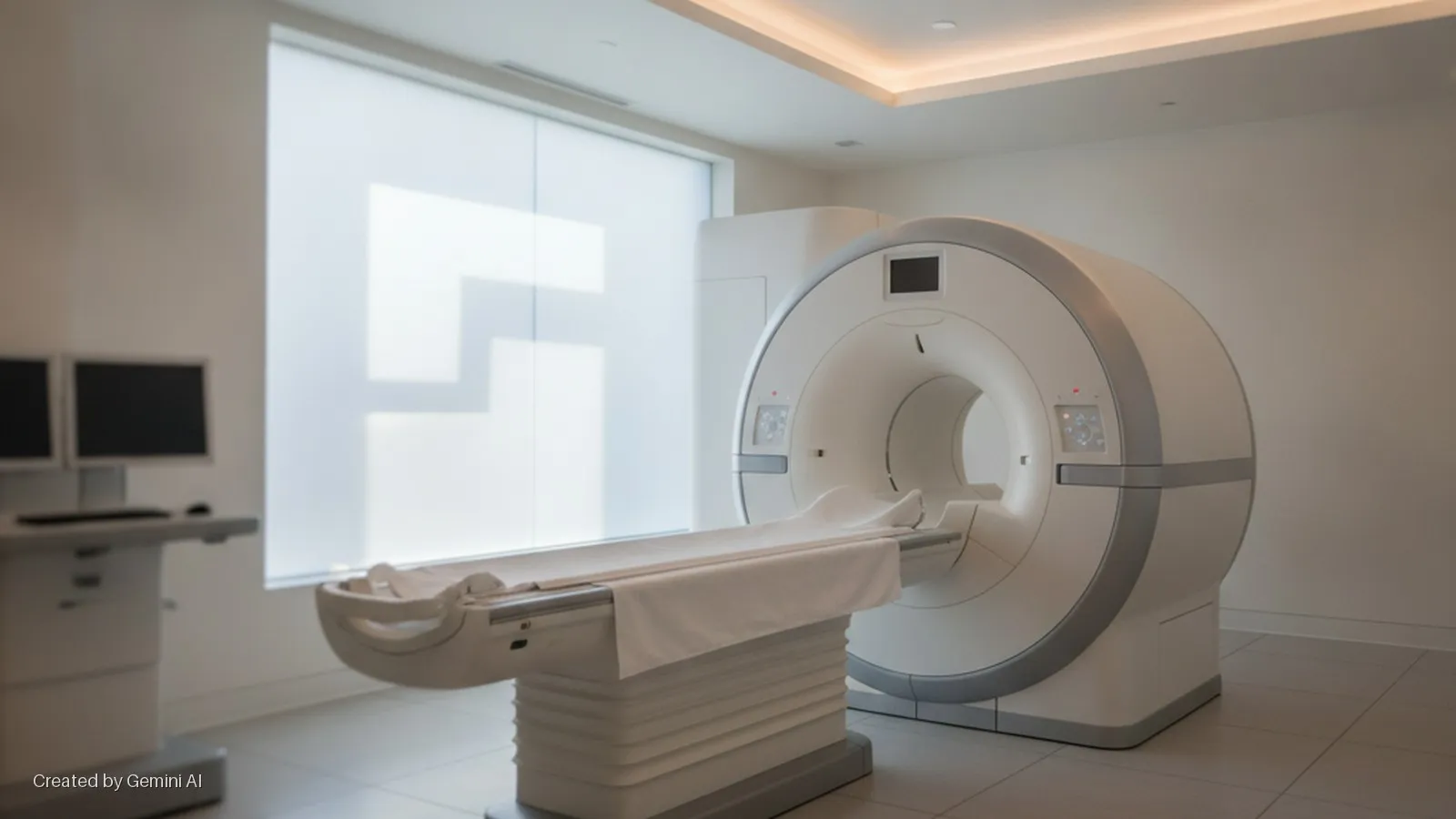
Al Ghurair, one of the Middle East's largest diversified family conglomerates, has launched Trellis Health, a new UAE-focused healthcare group anchored by a 50-bed multi-speciality hospital in the Umm Suqeim district of Dubai. The group is positioning itself as a long-term provider of integrated, patient-centred care as Dubai's population continues to expand under its 2040 Urban Master Plan.
Trellis Hospital, the founding asset of the network, holds Joint Commission International (JCI) accreditation and offers more than 35 clinical specialties, including emergency medicine, obstetrics and gynaecology, paediatrics, cardiology, orthopaedics and general surgery. Two further outpatient clinics, in Expo City and Jumeirah Village Circle, are expected to become operational before the end of 2026, with a second hospital and two additional clinics identified as medium-term targets.
The strategic rationale
Al Ghurair frames the launch as a logical extension of its existing infrastructure portfolio, which spans food production, real estate development, mobility and construction. John Iossifidis, Group Chief Executive Officer of Al Ghurair, said the company intends to put "patients at the centre of every decision, bringing together exceptional healthcare professionals, a simplified patient experience and smart technology around the needs of every patient."
The group's organising concept, which it calls Connected Caring, describes a model of coordinated care across a patient's full treatment journey. In practice, this covers four stated pillars: multidisciplinary team coordination, clinician-patient relationships, streamlined administration, and technology-enabled access. The release does not specify which digital health technologies underpin the platform, nor does it name a technology partner.
Market context
Dubai's private healthcare market has attracted sustained investment over the past decade, driven by a combination of medical tourism, an affluent expatriate population and government-backed expansion targets. Under the Dubai 2040 Urban Master Plan, the emirate's population is projected to reach 5.8 million by 2040, and the plan designates a materially larger land allocation for health and education infrastructure.
Several international hospital operators and UAE-based groups already compete in the Dubai private hospital segment, including NMC Health's successor entities, Mediclinic Middle East and King's College Hospital Dubai. Trellis Health's initial 50-bed footprint is modest relative to those incumbents, though the Al Ghurair family backing provides credibility and long-term capital patience that a pure private-equity-backed entrant might not command.
The launch also reflects a broader regional trend: Gulf sovereign and family-office capital increasingly looking to healthcare as a stable, growth-linked domestic asset class. For Al Ghurair, which has no disclosed prior healthcare operating history, execution risk will centre on clinical talent recruitment and retention in a competitive UAE market, as well as the pace at which the broader Trellis network can scale to a size that supports efficient cost structures.
Near-term milestones to watch include the opening of the two announced clinics, the naming of a lead indication or speciality anchor for the planned second hospital, and any disclosure of the technology partnerships that will underpin the Connected Caring model.