
Regeneron's Livsayis wins FDA approval as first siRNA therapy in gMG

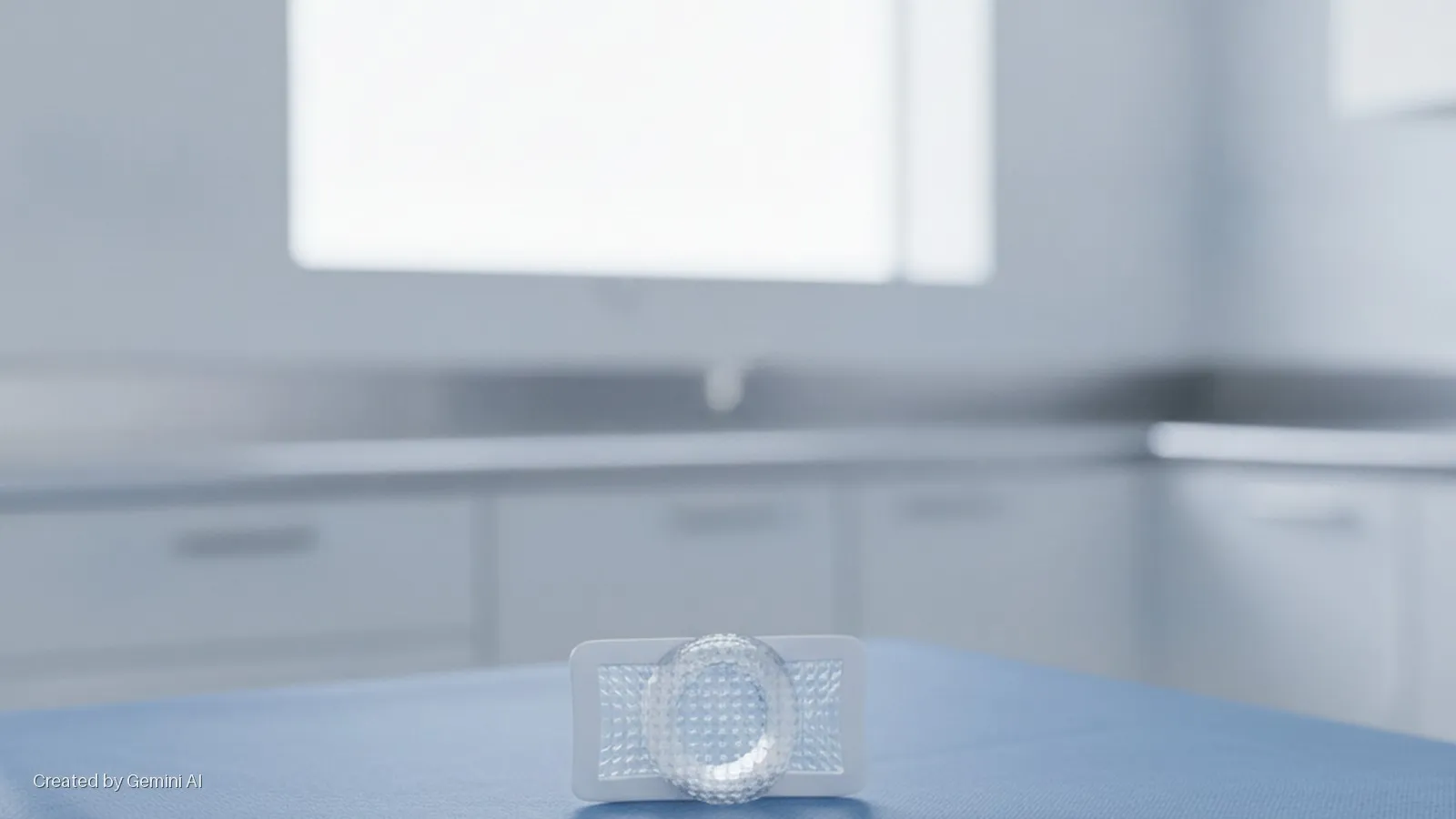
Regeneron Pharmaceuticals has secured FDA approval for Livsayis (cemdisiran), a complement C5-directed small interfering RNA (siRNA) therapy for adult patients with generalised myasthenia gravis (gMG) who test positive for anti-acetylcholine receptor (AChR) antibodies. The approval marks two firsts for the Tarrytown, New York company: its first approved siRNA therapy and its first approved medicine in neurology.
Livsayis works by degrading the messenger RNA encoding the C5 complement protein, thereby reducing circulating C5 levels and blocking terminal complement activation, the pathway implicated in AChR-positive gMG. Its quarterly subcutaneous dosing schedule distinguishes it from existing approved gMG treatments, most of which require more frequent infusions or injections.
Phase 3 NIMBLE results
The FDA approval rests on data from the Phase 3 NIMBLE trial, described by Regeneron as the largest global interventional study ever conducted in gMG. At 24 weeks, patients receiving Livsayis achieved a 4.5-point improvement on the Myasthenia Gravis Activities of Daily Living (MG-ADL) scale versus 2.2 points with placebo, a placebo-adjusted difference of 2.3 points (p=0.0005). On the Quantitative Myasthenia Gravis (QMG) muscle function scale, the placebo-adjusted improvement was 2.8 points (p=0.0015). Clinically meaningful benefit on MG-ADL, defined as a 2.5-point improvement, was detectable as early as two weeks after the first dose, and no waning of effect was observed across the dosing interval.
Tuan Vu, Professor of Neurology at the University of South Florida and a global principal investigator of NIMBLE, said the trial demonstrated "rapid, deep disease control – maintained through the end of dosing intervals – and offers a four-times-a-year subcutaneous dosing schedule."
As with other approved C5-inhibiting therapies, the prescribing information carries a Boxed Warning for serious meningococcal infections, and the drug is available only through a Risk Evaluation and Mitigation Strategy (REMS) programme. The most common adverse reactions reported at a frequency of 5% or greater were injection site reactions, viral infections, and urinary tract infections.
Market context and competitive landscape
The gMG treatment landscape has expanded materially over the past three years. Alexion's eculizumab and ravulizumab (both C5-inhibiting monoclonal antibodies) established complement inhibition as a validated mechanism in AChR-positive disease, while argenx's efgartigimod and UCB's rozanolixizumab target the neonatal Fc receptor (FcRn) pathway to reduce pathogenic IgG antibodies. Livsayis enters this field as the first RNA-based approach, and its once-quarterly schedule compares favourably with the intravenous infusions required by ravulizumab and efgartigimod, a distinction that may carry weight for patients and payers focused on treatment burden.
Regeneron holds worldwide rights to cemdisiran under a licensing agreement with Alnylam Pharmaceuticals, the pioneer of RNA interference therapeutics. The approval is strategically significant for Regeneron as it validates the siRNA modality within its broader neuroscience pipeline. For Alnylam, it adds another approved RNAi medicine to a portfolio that already includes givosiran, lumasiran, and inclisiran, reinforcing the commercial case for the platform.
A regulatory submission for Livsayis is under review at the European Medicines Agency, with a decision anticipated in the second half of 2027. Submissions are also planned in Japan and additional markets. With an estimated 85,000 patients in the US alone, and many still experiencing inadequate disease control on existing therapies, the commercial opportunity is substantial, though payer negotiations and the crowded treatment landscape will shape actual uptake.