
Merck KGaA to acquire Rapid Micro Biosystems at $0.75 per share

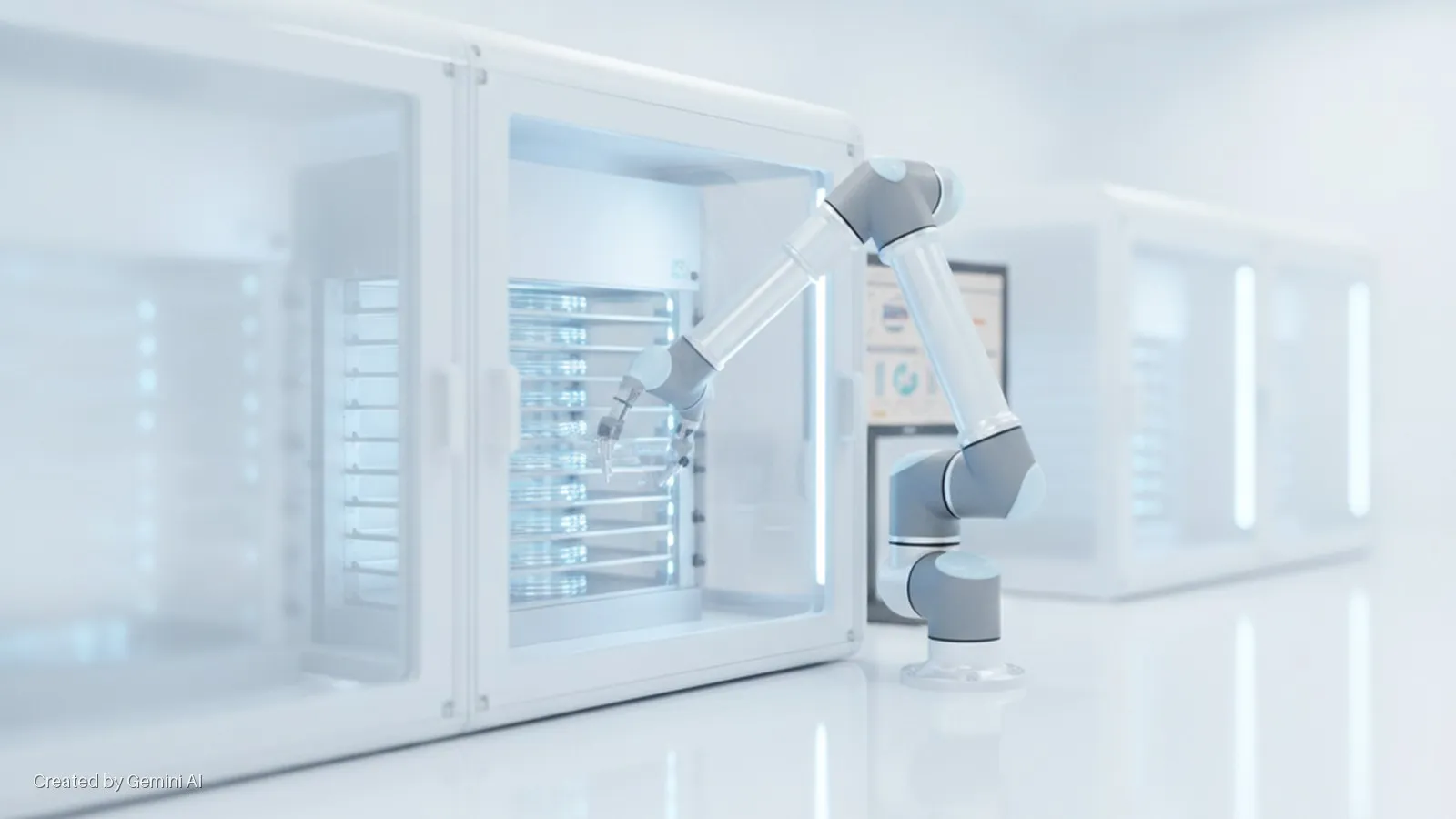
Merck KGaA, Darmstadt, Germany has signed a definitive agreement to acquire Rapid Micro Biosystems (Nasdaq: RPID) in an all-cash tender offer at $0.75 per share. The transaction is expected to close in December 2026, subject to completion of the tender offer and customary regulatory conditions. Once completed, Rapid Micro Biosystems will be folded into Merck KGaA's Life Science business.
Rapid Micro Biosystems makes the Growth Direct platform, a system that automates microbial quality-control testing in pharmaceutical manufacturing environments. The company says most of the world's top pharmaceutical manufacturers are customers. Its equipment is designed to bring quality-control testing from a separate laboratory onto the manufacturing floor, reducing the time needed to release batches and improving data integrity for regulatory compliance purposes. The company is headquartered in Lexington, Massachusetts, with manufacturing in Lowell and international offices in Switzerland, Germany, and the Netherlands.
The deal
Robert Spignesi, President and Chief Executive of Rapid Micro Biosystems, said the two companies had built a partnership over the past 18 months centred on automating quality-control workflows. "Joining the Life Science business of Merck KGaA, Darmstadt, Germany will significantly expand the Growth Direct platform's reach and more fully serve our combined global customer base," he said.
Paolo Carli, Head of Advanced Solutions for Merck KGaA's Life Science business, said customers require faster results, more efficient workflows, and stronger data integrity to support regulatory compliance. The acquisition extends the German company's existing quality-control offering and deepens its automation capabilities at a step in the manufacturing process it describes as critical.
Perella Weinberg Partners is acting as financial adviser to Rapid Micro Biosystems and Goodwin Procter is serving as legal counsel. Merck KGaA has not separately disclosed advisers in this release. The transaction is structured as a tender offer; a formal Schedule TO filing with the US Securities and Exchange Commission has not yet been made.
Market context
Microbial quality-control automation is a narrow but strategically significant segment within the broader bioprocessing tools market. Pharmaceutical manufacturers face increasing pressure from regulators, including the FDA and EMA, to demonstrate data integrity across manufacturing operations, and manual microbial testing has long been identified as a vulnerability in that chain. Automated platforms that generate audit-ready electronic records carry a structural compliance argument alongside the efficiency case.
Merck KGaA's Life Science division, which operates separately from the US-listed Merck and Co., has built a substantial position in bioprocessing consumables and equipment through its MilliporeSigma brand. Adding an automation layer for microbial quality control is consistent with its strategy of offering integrated solutions to pharmaceutical and biopharma manufacturers rather than standalone products. Several other large life-science tools groups have pursued similar bolt-on acquisitions in recent years as the installed base of single-use bioreactors and continuous manufacturing equipment has grown and created demand for downstream quality systems that can keep pace.
The $0.75 per-share price values Rapid Micro Biosystems at a significant discount to its IPO price of $18 per share in 2021, reflecting a difficult period for the company as commercial uptake of the Growth Direct system proved slower than initial projections had anticipated. For Merck KGaA, the depressed valuation represents an opportunity to acquire an installed customer base of large pharmaceutical manufacturers at a fraction of the platform's development cost.